Call/WhatsApp: +91-9811618013, +91-9810306077
Email: keohenna@gmail.com, kirpaloverseas@gmail.com
Email: keohenna@gmail.com, kirpaloverseas@gmail.com




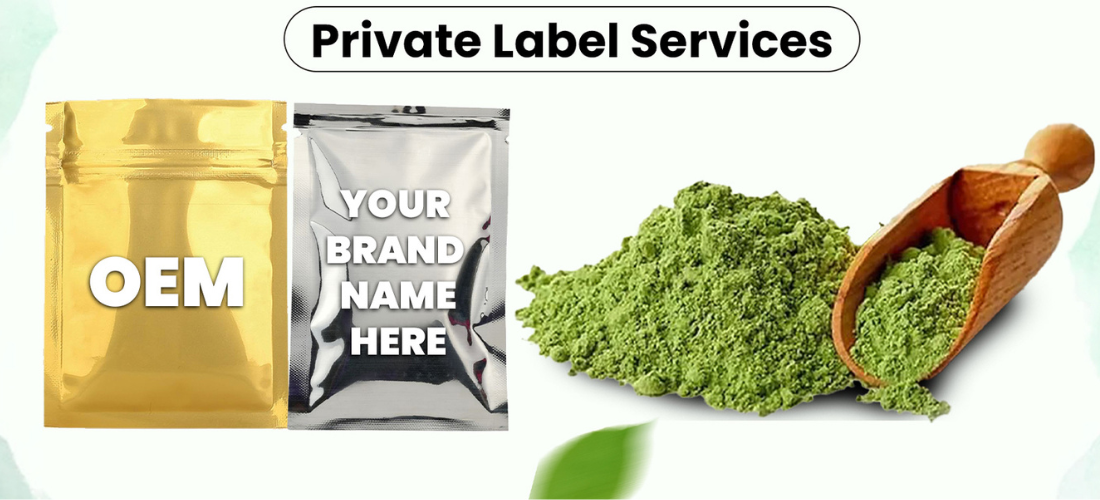
If you’re a beauty brand, salon, or entrepreneur looking to launch a private-label henna product line, choosing the right partner matters. Henna from Sojat, Rajasthan is widely respected for its deep color, purity, and dye strength — and private-label mehndi supplier partnerships let you offer branded, high-quality henna powder without building manufacturing from scratch. This blog explains why Sojat henna is a smart choice, what private-label services typically include, how to evaluate suppliers, and answers the FAQs you’ll need to make a confident decision.
Sojat (Rajasthan) is one of India’s traditional henna-growing regions. Henna from this area is prized for:
When you partner with a reputable mehndi supplier who sources from Sojat, you’re getting access to a product with heritage, performance, and market recognition.
Private label means the supplier produces the product and packages it with your brand’s name, label, and specifications. Common services offered by henna powder private-label suppliers include:
Use this checklist when evaluating suppliers:
Packaging & Labeling Tips for Private Label Henna
Q2: Can private-label henna be certified organic?
A: Some suppliers can source organic-certified henna, but organic certification depends on the farming practices and certification bodies. Organic product private labeling may require additional audits and documentation.
Q3: How long does henna powder last?
A: Unopened, well-packaged henna powder typically retains good dye strength for 1–2 years. After opening, store in an airtight container away from light and moisture; use within 6–12 months for best results.
Q4: Do private-label suppliers test for heavy metals and pesticides?
A: Reputable mehndi supplier partners provide lab testing and certificates. Always request recent reports for each batch or a certificate of analysis (CoA).
Q5: What is a reasonable MOQ for private label henna?
A: MOQs vary widely—some suppliers start at a few hundred units; others require pallet quantities. Look for suppliers offering startup-friendly MOQs if you’re launching a new brand.
Q6: Is it safe to use henna from Sojat on hair and skin?
A: Pure natural henna (Lawsonia inermis) is widely used safely on hair and skin. However, avoid mixes with unlisted additives (e.g., PPD). Always recommend a patch test before full application.
Ask about reorder timelines and scalability.
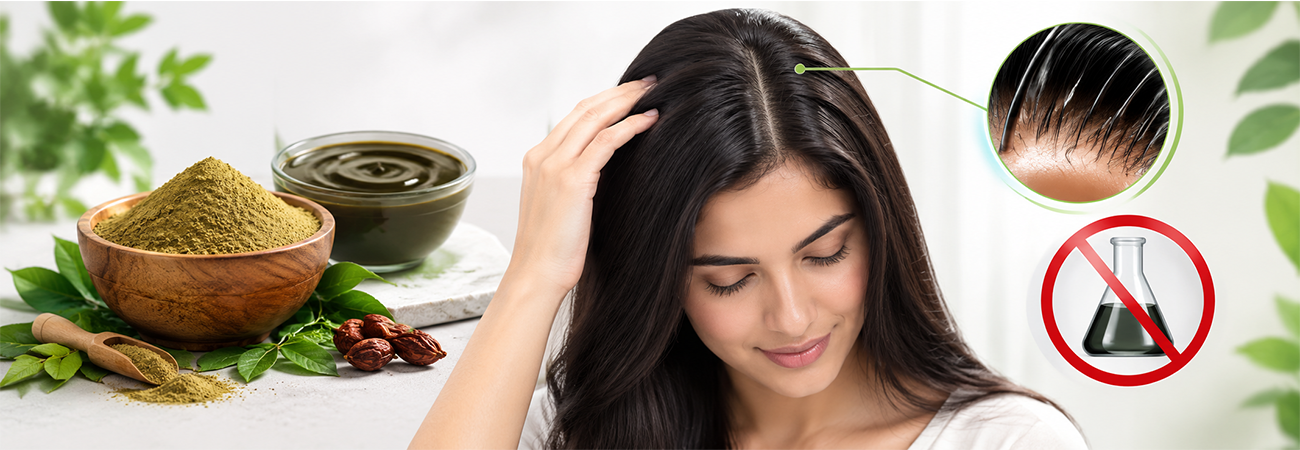
The patch test is the most boring step in hair colouring, and the one most…
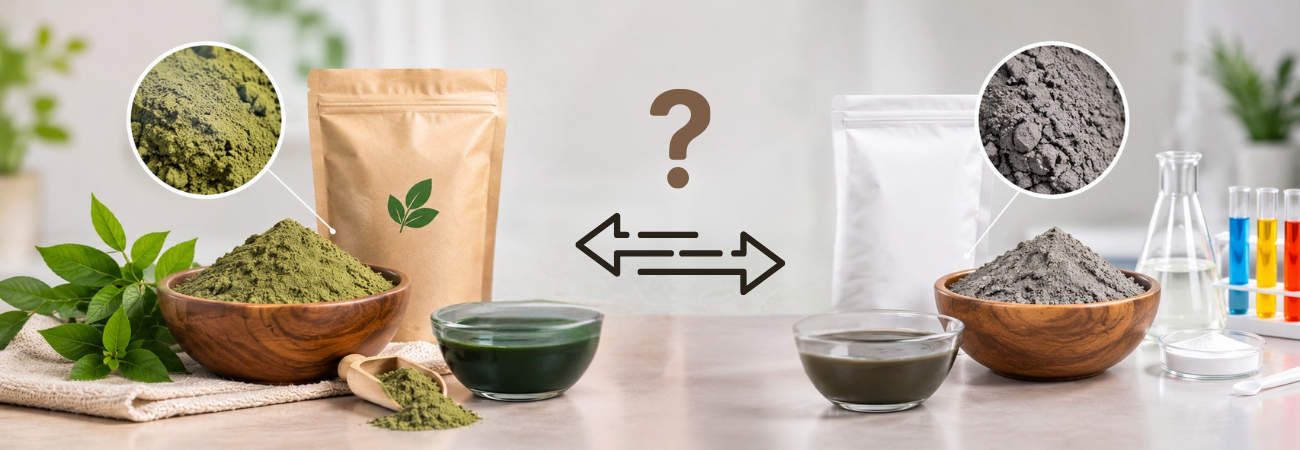
Every natural hair color manufacturer eventually gets the same message from a buyer: “The black…
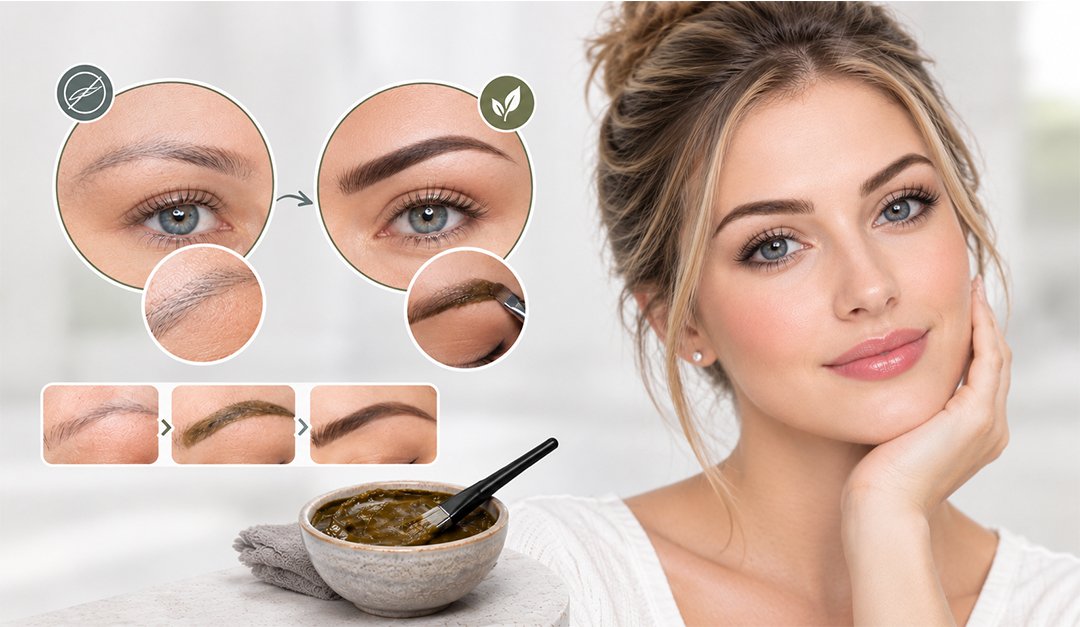
Look closely at a microbladed brow around the eighteen-month mark, and the story is usually…
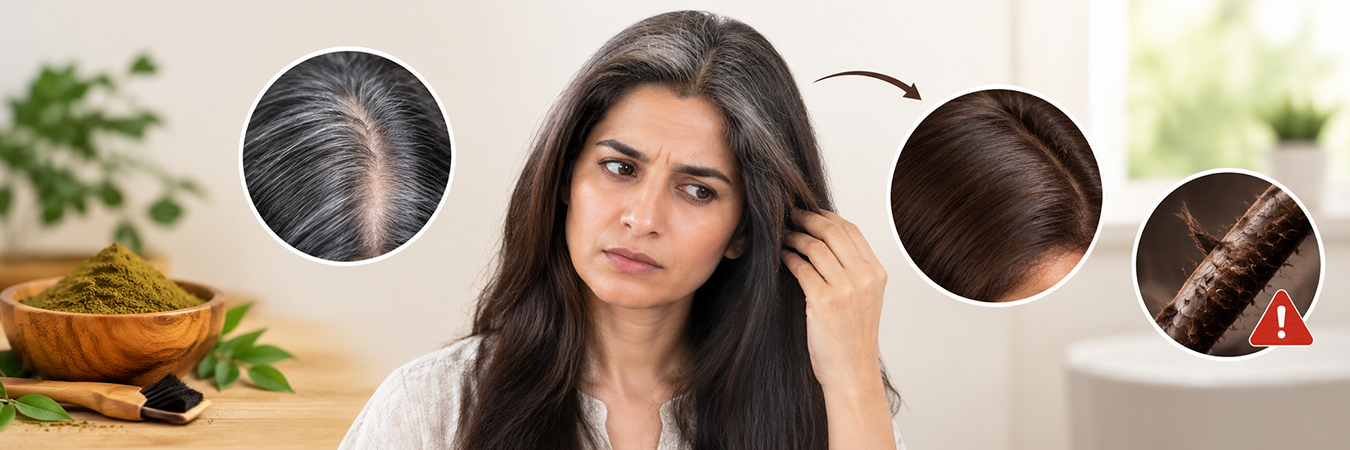
A customer once told us something we still remember. She had been colouring her gray…