Call/WhatsApp: +91-9811618013, +91-9810306077
Email: keohenna@gmail.com, kirpaloverseas@gmail.com
Email: keohenna@gmail.com, kirpaloverseas@gmail.com





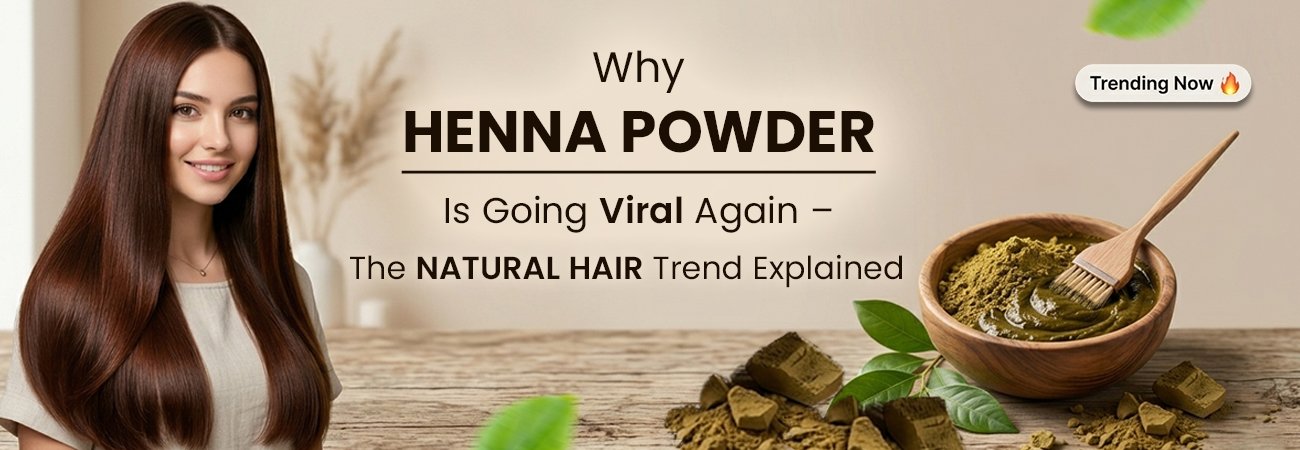
Let me ask you something. When was the last time you walked into a salon and did not see at least one person asking about a natural hair color option? Probably a long time ago, right?
That is exactly what is happening right now across the beauty world. People are tired. Tired of sitting with bleach burning their scalp. Tired of reading ingredient labels full of words they cannot pronounce. Tired of watching their hair get thinner and duller every few months because of chemical dye after chemical dye.
And slowly, quietly, they started going back to something their grandmothers already knew worked. Henna.
At Kirpal Export Overseas, we have been working as a henna manufacturer in India for years, and honestly, the shift we are seeing in demand right now is unlike anything before. Businesses from Germany to Dubai to Canada are calling us asking the same question: Where can I get pure, reliable, bulk henna powder that actually works?
This guide is our answer to that question.
Here is what most people get wrong about henna being “back in trend.” It never actually left. In millions of Indian homes, henna was never a trend. It was just Tuesday.
Every week, women across Rajasthan, Gujarat, and Punjab were mixing henna paste in old steel bowls, applying it to their hair, wrapping it in an old dupatta, and sitting in the afternoon sun. No fancy salon. No expensive equipment. Just a plant that had been doing its job beautifully for over 5,000 years.
The ancient Egyptians used it. The Mughal queens used it. Wedding traditions across South Asia, the Middle East, and North Africa are built around it. Henna was never a beauty hack. It was a way of life.
What changed is that the rest of the world finally caught up.
Why Everyone Is Talking About Henna Right Now
Social media did something interesting. It took something completely normal in Indian and Middle Eastern households and showed it to a 22-year-old in Paris who had been suffering through chemical hair dye for years. She tried henna. Filmed it. Showed her results. And suddenly millions of people were searching for it.
But social media alone does not explain the surge. Something deeper is happening.
People have genuinely started questioning what they are putting on their bodies. When a synthetic hair dye sits on your scalp for 40 minutes and your eyes are watering from the fumes, you start wondering—is this really worth it? And when someone shows you that a plant can give you rich, warm color with zero fumes and actually leave your hair feeling softer afterward, that is a pretty powerful comparison.
The clean beauty movement pushed this further. Then Ayurvedic beauty became fashionable in the West. Then scalp health became a whole conversation on its own. Henna sits perfectly at the center of all of these trends: it is natural, it has thousands of years of proven use, it conditions while it colors, and it is genuinely good for scalp health. No chemical treatment can claim all of that honestly.
We are a henna manufacturer in India based out of Rajasthan, which is not a coincidence. Rajasthan is where the best henna in the world comes from. The dry climate, the specific soil composition, and the farming knowledge passed down through generations—all of it produces henna with a naturally high lawsone content, which is the molecule responsible for giving you that strong, lasting color.
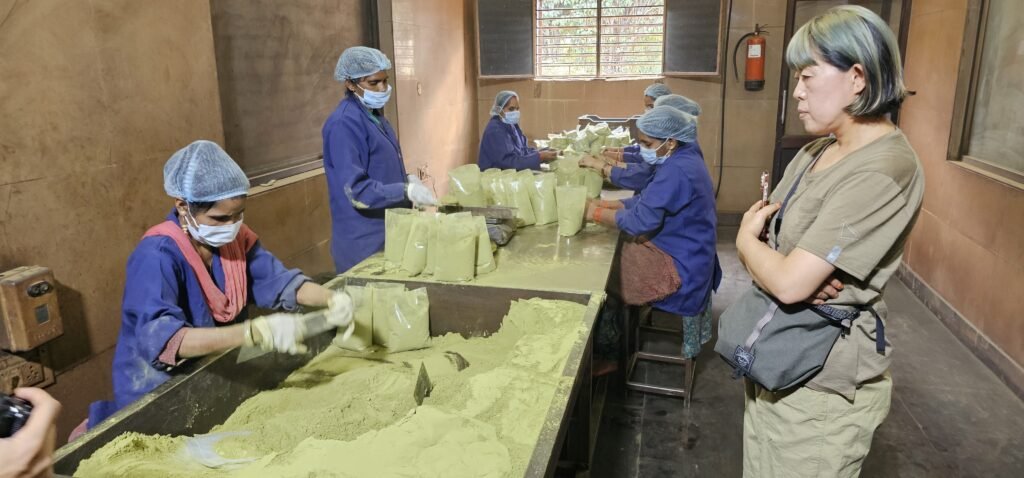
We work directly with farmers. We know exactly which fields our henna comes from. We have watched the leaves be harvested, dried, and processed. This is not a supply chain where we buy from a middleman who bought from another middleman. We are involved from the beginning, and that involvement shows in the quality of what we ship.
Our clients are brands, distributors, importers, private label businesses, and salon chains across Europe, the Middle East, Southeast Asia, Africa, and the Americas. Some of them have been ordering from us for years. They stay because the quality does not decline batch after batch. That consistency is hard to find, and we take it seriously.
Anyone can call themselves a henna manufacturer in India. The market has no shortage of suppliers. So let us be straightforward about what separates us.
We start by only accepting leaves that meet our dye content threshold. If a batch comes in below that standard, it does not move forward. Period. A lot of suppliers skip this step because it costs them yield. We do not skip it because we know what happens to your customer’s hair if the lawsone content is too low—they get weak, patchy color, and they blame your brand. That is not a situation we want for our clients.
After the leaves are dried, we grind and sift the powder through multiple stages. The texture matters more than people realize. A coarse, uneven powder does not mix smoothly, does not apply evenly, and does not release dye consistently. Our powder is smooth, fine, and clean. It mixes easily, applies easily, and works consistently.
We pack in moisture-resistant materials because henna starts degrading the moment humidity gets in. We have seen clients elsewhere use poor packaging and then wonder why their henna is weak by the time it reaches the end consumer. Packaging is not an afterthought for us — it is part of the product.
We also provide full documentation for international shipments, certificates of analysis, and support for customs and import processes. Buying wholesale across borders is already complicated enough. We try to make our side of it as smooth as possible.
This is the part that surprises most people who are new to henna. It does not work like a regular hair dye, and that is actually the whole point.
Synthetic dyes break into the hair shaft and chemically alter the pigment inside. That is why they cover gray so completely and why they can achieve such a wide range of colors — but that same process is also why hair gets damaged, dry, and brittle over time.
Henna does not do that. The lawsone molecule in henna binds to the keratin on the outside of the hair shaft. It coats the hair rather than penetrating and breaking it down. That coating is what gives henna-treated hair that noticeable smoothness and thickness. You are essentially adding a protective layer to each strand.
The color results from pure henna is warm, ranging from orange-red on lighter hair to a rich auburn on darker shades. The final tone depends on the starting hair color, how long the paste sits, and what the henna is blended with. Mixed with indigo, you can get dark browns and blacks. Mixed with amla or cassia, you can shift the tone and add extra conditioning.
It is not a system that gives you infinite color choices like a synthetic dye chart. But for what it does, it does it in a way that actually improves your hair instead of wearing it down.
At Kirpal Export Overseas, we supply several henna-based variants because different markets and different brands need different things.
Our pure natural henna powder is the foundation of everything. It is 100% Lawsonia inermis with nothing added. Warm auburn color, strong dye release, and clean texture. This is what most hair care brands use as their base.
Our black henna powder is a blend of henna and indigo designed for buyers positioned in the dark hair and gray coverage space. It is especially popular in men’s grooming lines.
Our burgundy henna powder gives rich wine-red and deep burgundy tones. It sells very well in markets where bold, fashion-forward natural color is popular—and it appeals strongly to consumers who want color with an herbal identity.
Our herbal henna blend includes amla, shikakai, brahmi, bhringraj, neem, and hibiscus alongside the base henna. This is the product for brands that want to sell a complete herbal hair treatment, not just a color. The added herbs bring their own set of hair and scalp benefits that make the product feel more premium.
Our neutral henna, or colorless henna, is made from cassia obovata. It is for customers who want conditioning and shine without any color. Great for blonde hair, very light hair, or sensitive scalps.
Our organic-certified henna powder is for the premium segment. Grown without synthetic pesticides, third-party certified, and packaged accordingly. This is for brands that take their clean and organic positioning seriously.
We also offer custom blends and private label packaging for businesses that want their own branded product rather than a generic supply. We handle the formulation, the packaging design coordination, and the bulk production.
Forget the clinical language for a second. Here is what real henna users talk about when they describe why they switched.
Their hair stopped breaking as much. Their scalp does not itch after coloring anymore. The grays are, but the result looks natural, not flat. Their hair feels thicker. The color fades slowly and gracefully instead of showing harsh regrowth lines. They do not dread the smell anymore. They feel good about what they put on their heads.
From a business perspective, those are the benefits that build loyal customers. When someone’s hair genuinely responds well to a product, they come back. They recommend it. They write reviews. They share it. That kind of customer relationship is built on a product that actually delivers — and henna, when it is good quality, delivers consistently.
Mix your henna powder with warm water until you get a smooth, lump-free paste. Some people prefer using brewed black tea or coffee instead of plain water—both can add depth to the final color. Once mixed, let the paste sit covered for about 6 to 8 hours. This resting period is important because it allows the lawsone to release fully and gives you a much stronger result.
Before you apply, put a thin layer of coconut oil or any oil along your hairline and ears. Henna stains skin too, and this small step makes cleanup much easier.
Apply the paste section by section, working from roots to ends. Once everything is covered, wrap your hair in plastic wrap or a shower cap. Leave it on for 2 to 4 hours. The longer you leave it, the deeper the color.
Rinse with plain water. No shampoo for the first 24 hours — the color continues to develop and deepen during that window. By the next day, you will see the true result, and your hair should feel noticeably softer and smoother.
If you run a hair care brand and you are looking to add a natural color line, we can supply you with the henna base and herbal blends you need at the volume and texture your formulation requires.
If you are a private label business, we work with you on packaging, batch sizes, and product variants so you can launch under your own brand without building a manufacturing operation.
If you are an importer or distributor in a market where natural beauty is growing—and honestly, which market is it not growing in right now?—we are a reliable source with consistent quality and proper export documentation.
If you are a salon chain adding herbal treatments to your menu, we supply professional-grade henna that performs reliably for your technicians and delivers visible results for your clients.
If you are building an e-commerce brand, henna is one of those categories where consumer interest is genuinely high, and the barrier to entry with the right supplier is manageable. We also work with businesses at that stage.
Henna is not trending because of marketing. It is trending because it works, it is safe, it has a history that stretches back thousands of years, and people are increasingly choosing products that align with those values.
For businesses, this is a real opportunity — not a fad. The demand for clean, plant-based hair care is not going anywhere. If anything, it is still building.
At Kirpal Export Overseas, we have spent years developing the sourcing relationships, processing standards, and export systems to support businesses that want to take this opportunity seriously. As a trusted henna manufacturer in India, we are here to make sure the product side of your business is covered—quality, consistency, and reliability, every order.
If you are ready to source wholesale henna powder that your customers will actually trust, get in touch with us. We would love to work with you.
Contact Kirpal Export Overseas, Henna Manufacturer in India | Wholesale Henna Powder Exporter. Cont. no. 9810306077.
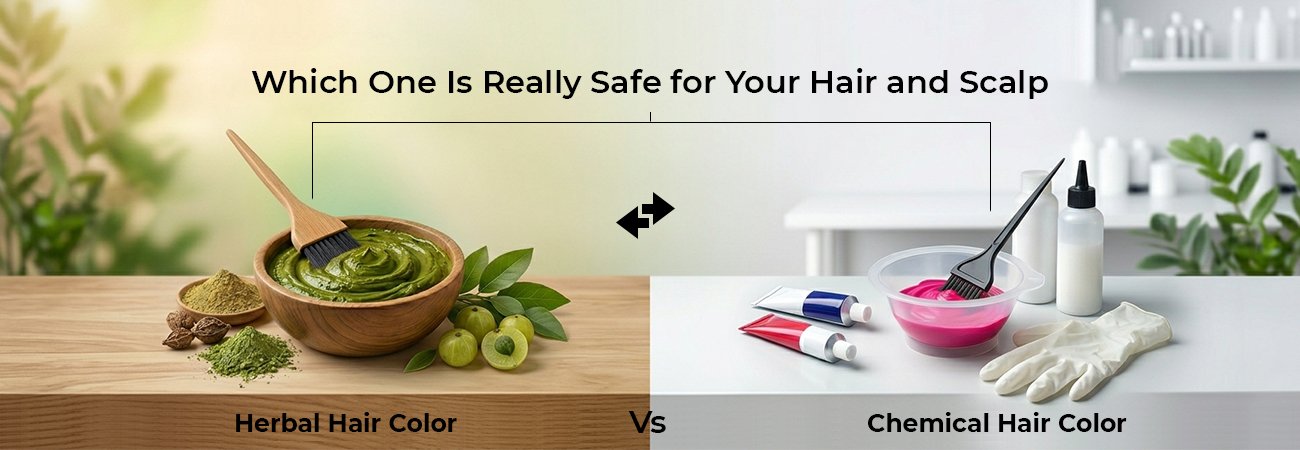
. How many times have you colored your hair and, within a few weeks, noticed…
“بلا مواد كيميائية. بلا تنازلات. فقط رفاهية نباتية خالصة.” لماذا يطرح الشرق الأوسط سؤالاً مختلفاً…
ラジャスタンの畑から世界へ:なぜ真剣なバイヤーは Kirpal Export Overseas を信頼するのか インディゴには、静かでありながらも特別な魅力があります。合成染料が工場で大量生産されるようになる何千年も前から、この深い青色の天然顔料は、古代エジプトのファラオの衣服や古代インドの織物を彩り、文明を結ぶ交易路でも重要な役割を果たしてきました。 現在、この植物由来の伝統は再び世界的な注目を集めています。その中心にあるのが Kirpal Export Overseas です。同社はインドでも高く評価されているインディゴパウダーのメーカ の一つであり、また としても信頼されている企業です。 しかし、ここで語りたいのは単なる伝統だけではありません。天然染料製品を大規模に調達する際に本当に重要なのは、品質、安定した供給、信頼性、そしてビジネスを理解してくれるサプライヤーです。 天然インディゴが世界で再び注目されている理由…
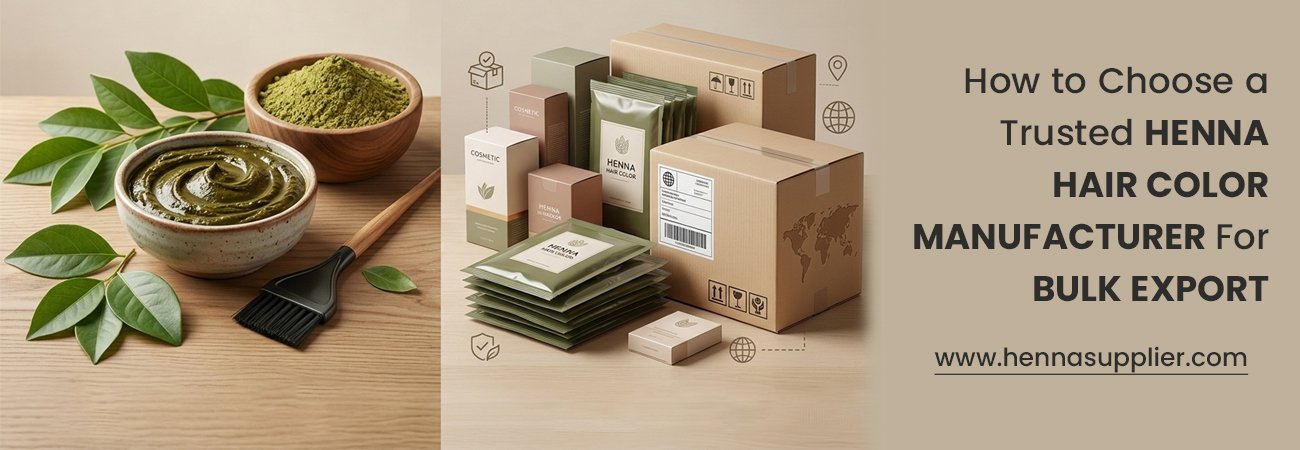
Kirpal Export Overseas | Global Henna & Hair Color Experts When you’re sourcing wholesale henna…