Call/WhatsApp: +91-9811618013, +91-9810306077
Email: keohenna@gmail.com, kirpaloverseas@gmail.com
Email: keohenna@gmail.com, kirpaloverseas@gmail.com





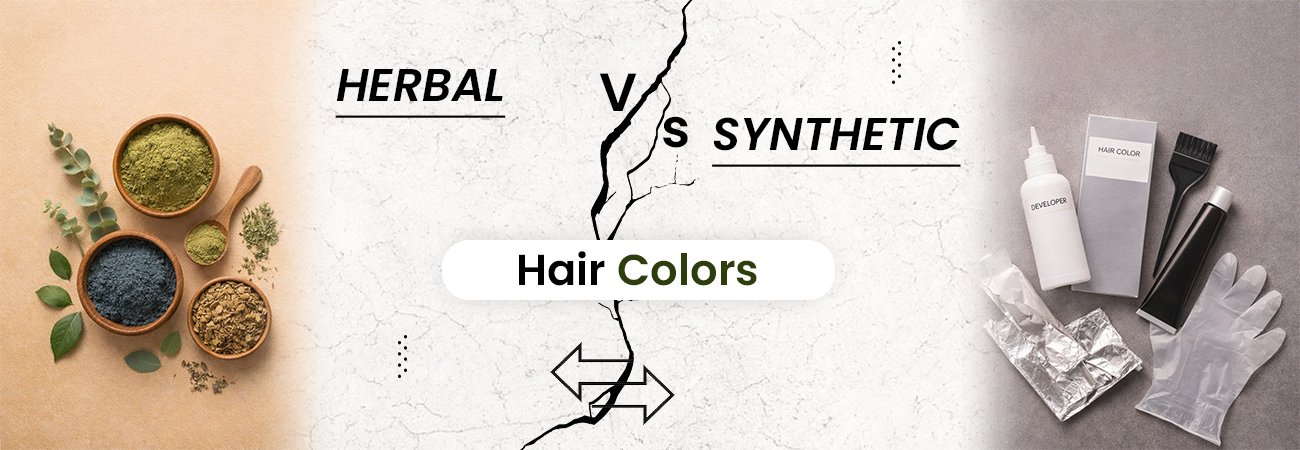
Hair coloring is no longer just cosmetic. It is now a technical product category. Therefore, buyers must evaluate ingredient chemistry, safety, and supplier reliability before sourcing.
Both herbal and synthetic hair colors use different chemical mechanisms. As a result, they affect hair structure, safety, and long-term performance differently.
Global buyers, including cosmetic brands and distributors, now prefer verified suppliers. A qualified Natural hair color manufacturer must provide technical testing, traceability, and consistent raw material quality.
This guide explains scientific differences, safety data, and sourcing insights for global hair color buyers.
Hair coloring works by interacting with keratin protein. However, herbal and synthetic colors use different processes.
Herbal hair colors use plant molecules. The primary plant is Lawsonia inermis, commonly called henna. Its active dye molecule is lawsone.
Lawsone binds to keratin through weak chemical bonding. Therefore, the dye coats the hair surface instead of penetrating deeply.
Technical characteristics:
However, herbal dyes cannot lighten natural hair pigment.
Professional Herbal hair color manufacturer facilities combine henna, indigo, and cassia. As a result, they create natural brown, black, and copper shades.
Synthetic dyes use oxidation chemistry. First, ammonia opens the cuticle layer. Then hydrogen peroxide removes natural pigment. Finally, dye precursors form color molecules inside the cortex.
This process creates permanent color.
Technical characteristics:
Common dye intermediates include:
These chemicals ensure predictable color results.
Hair contains three layers:
The dye interaction determines structural damage.
Herbal hair color impact:
Synthetic hair color impact:
Therefore, herbal dyes preserve hair strength better.
Bulk buyers sourcing from certified henna manufacturers report fewer structural damage complaints.
Safety evaluation is essential for global buyers.
Pure herbal dyes show strong safety profiles.
Verified safety advantages:
However, contamination risks exist if suppliers add synthetic chemicals.
Therefore, buyers must verify laboratory reports.
Important safety tests include:
Reliable Bulk henna Supplier companies provide verified reports.
Synthetic dyes provide stable results. However, they present higher safety risks.
Documented concerns:
Repeated chemical exposure increases structural damage.
Therefore, proper formulation and controlled use are necessary.
Buyers must evaluate performance based on formulation goals.
Advantages:
Limitations:
However, high-quality herbal powder ensures reliable dye release.
Advantages:
Limitations:
Therefore, synthetic dyes suit permanent color applications.
Global buyers must evaluate manufacturing protocols carefully.
Professional Natural hair color manufacturer facilities follow strict quality controls.
Manufacturers verify:
This ensures dye strength consistency.
Typical export grade particle sizes:
Finer powder improves dye release efficiency.
Export grade herbal hair color must meet strict limits:
These standards ensure product safety.
Companies such as Kirpal Export Overseas follow strict export compliance protocols.
Manufacturers verify:
These tests ensure regulatory compliance.
Global demand for herbal hair color has increased steadily.
Key reasons include:
Therefore, buyers increasingly prefer certified herbal suppliers.
However, synthetic dyes remain necessary for permanent color products.
Many global brands offer both categories.
Buyers must verify supplier technical standards.
Essential evaluation criteria:
Reliable henna manufacturers provide full transparency.
This ensures supply chain safety.
Bulk buyers report clear operational differences.
Herbal hair color supplier feedback:
Synthetic dye supplier feedback:
These findings align with hair chemistry principles.
Herbal and synthetic hair colors serve different purposes. However, their safety and structural effects differ significantly.
Herbal hair color provides superior safety and structural protection. Therefore, it is ideal for natural cosmetic markets.
Synthetic dyes provide permanent color and shade precision. However, they require careful use.
Global buyers must evaluate ingredient chemistry, manufacturing standards, and compliance documentation.
Working with a qualified Natural hair color manufacturer, verified Herbal hair color manufacturer, and certified Bulk henna Supplier ensures safe and consistent supply.
No. Pure herbal dyes coat the surface and preserve structural integrity.
No. They provide semi-permanent results.
They offer safer products and better regulatory compliance.
Heavy metal and lawsone content testing are critical.
Yes. However, controlled formulation and use are necessary.
India is one of the world’s largest producers of henna, especially from regions like Rajasthan…
In today’s beauty world, more people are moving away from chemical hair treatments and choosing…
The Science, Process, and Truth Behind Natural Hair Coloring Gray hair is a natural part…
How to Choose a Reliable Henna Manufacturer Choosing the right henna manufacturers is not just…