Call/WhatsApp: +91-9811618013, +91-9810306077
Email: keohenna@gmail.com, kirpaloverseas@gmail.com
Email: keohenna@gmail.com, kirpaloverseas@gmail.com





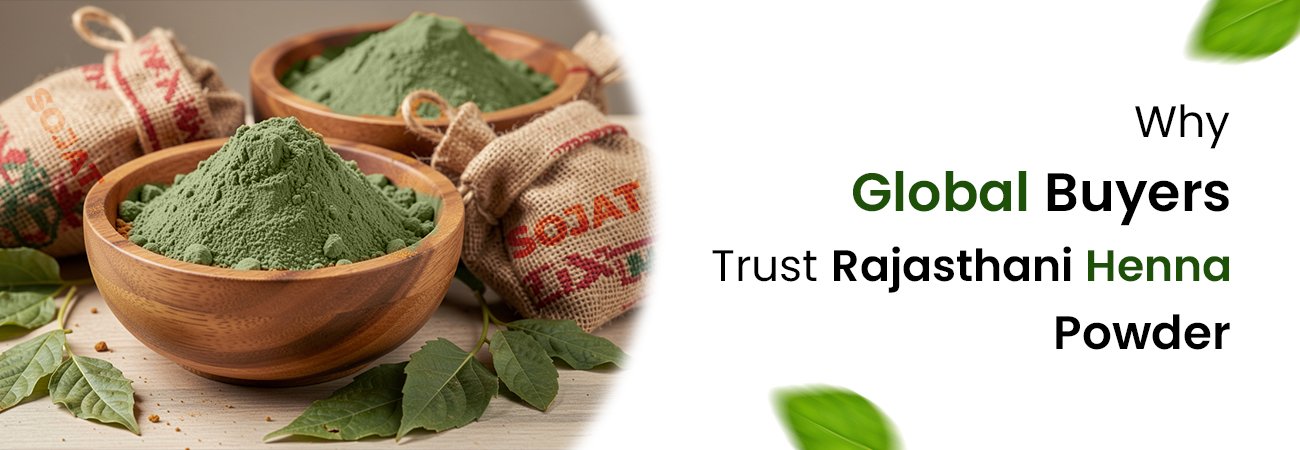
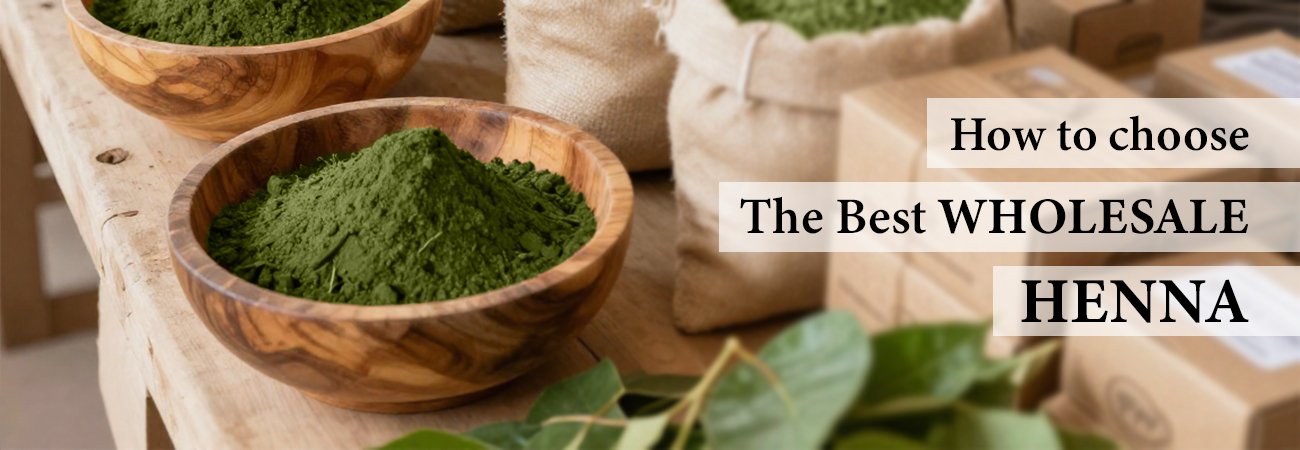
Kirpal Export Overseas sources henna directly from farms around Sojat. In our exports, international buyers request origin proof, lab reports, and consistent batch quality. Suppliers who provide clear documents and test results earn buyer trust. Below is a concise, technical, and readable guide that explains why buyers prefer Rajasthani Henna Manufacturer sources for Sojat henna and natural henna powder.
Sojat lies in a semi-arid zone with a monsoon season. Farmers grow henna mostly during the rainy months. Because of this climate pattern, plants develop strong pigment compounds. Consequently, Sojat-sourced leaves often deliver higher dye potential. Moreover, local farming techniques favor sun-drying and controlled curing. These steps affect the final powder color and shelf life.
Buyers evaluate henna on measurable factors. Ask suppliers to provide the following.
Required lab parameters
Physical specs
Processing matters as much as farming. For example:
Thus, technical controls at each step reduce variation and increase trust.
Buyers trust suppliers when they can trace a batch back to origin. Good practice includes:
These steps cut commercial risk and build confidence.
| Feature | Sojat (Rajasthan) | Other regions |
| Typical lawsone | Generally higher | Variable |
| Climate impact | Semi-arid | Variable |
| Processing tradition | Sun-dry and local mills | Mixed |
| Traceability | Easier with market systems | Often informal |
Kirpal Export Overseas has processed such buyer demands. We document each lot and share test results to reduce disputes.
Q—How do I confirm true Sojat origin?
A—Require farmer invoices and a batch code that links to purchase receipts.
Q—What test proves coloring ability?
A—A validated lawsone assay (HPTLC or similar). Also, check color development on a small hair or fabric patch.
Q—What triggers rejection?
A—Presence of synthetic dyes, very low lawsone, or high microbial counts.
Buyers trust Rajasthani Henna Manufacturer sources because origin and measurable quality matter. However, trust must be verified with documents and tests. Therefore, insist on batch lab reports, traceability, and retention samples. Kirpal Export Overseas follows these practices to meet buyer needs and reduce supply risk.Kirpal Export Overseas sources henna directly from farms around Sojat. In our exports, international buyers request origin proof, lab reports, and consistent batch quality. Suppliers who provide clear documents and test results earn buyer trust. Below is a concise, technical, and readable guide that explains why buyers prefer Rajasthani Henna Manufacturer sources for Sojat henna and natural henna powder.
Sojat lies in a semi-arid zone with a monsoon season. Farmers grow henna mostly during the rainy months. Because of this climate pattern, plants develop strong pigment compounds. Consequently, Sojat-sourced leaves often deliver higher dye potential. Moreover, local farming techniques favor sun-drying and controlled curing. These steps affect final powder color and shelf life.
Buyers evaluate henna on measurable factors. Ask suppliers to provide the following.
Required lab parameters
Physical specs
Processing matters as much as farming. For example:
Thus, technical controls at each step reduce variation and increase trust.
Buyers trust suppliers when they can trace a batch back to origin. Good practice includes:
These steps cut commercial risk and build confidence.
| Feature | Sojat (Rajasthan) | Other regions |
| Typical lawsone | Generally higher | Variable |
| Climate impact | Semi-arid | Variable |
| Processing tradition | Sun-dry and local mills | Mixed |
| Traceability | Easier with market systems | Often informal |
Kirpal Export Overseas has processed such buyer demands. We document each lot and share test results to reduce disputes.
Q—How do I confirm true Sojat origin?
A—Require farmer invoices and a batch code that links to purchase receipts.
Q—What test proves coloring ability?
A—A validated lawsone assay (HPTLC or similar). Also check color development on a small hair or fabric patch.
Q—What triggers rejection?
A—Presence of synthetic dyes, very low lawsone, or high microbial counts.
Buyers trust Rajasthani Henna Manufacturer sources because origin and measurable quality matter. However, trust must be verified with documents and tests. Therefore, insist on batch lab reports, traceability, and retention samples. Kirpal Export Overseas follows these practices to meet buyer needs and reduce supply risk.
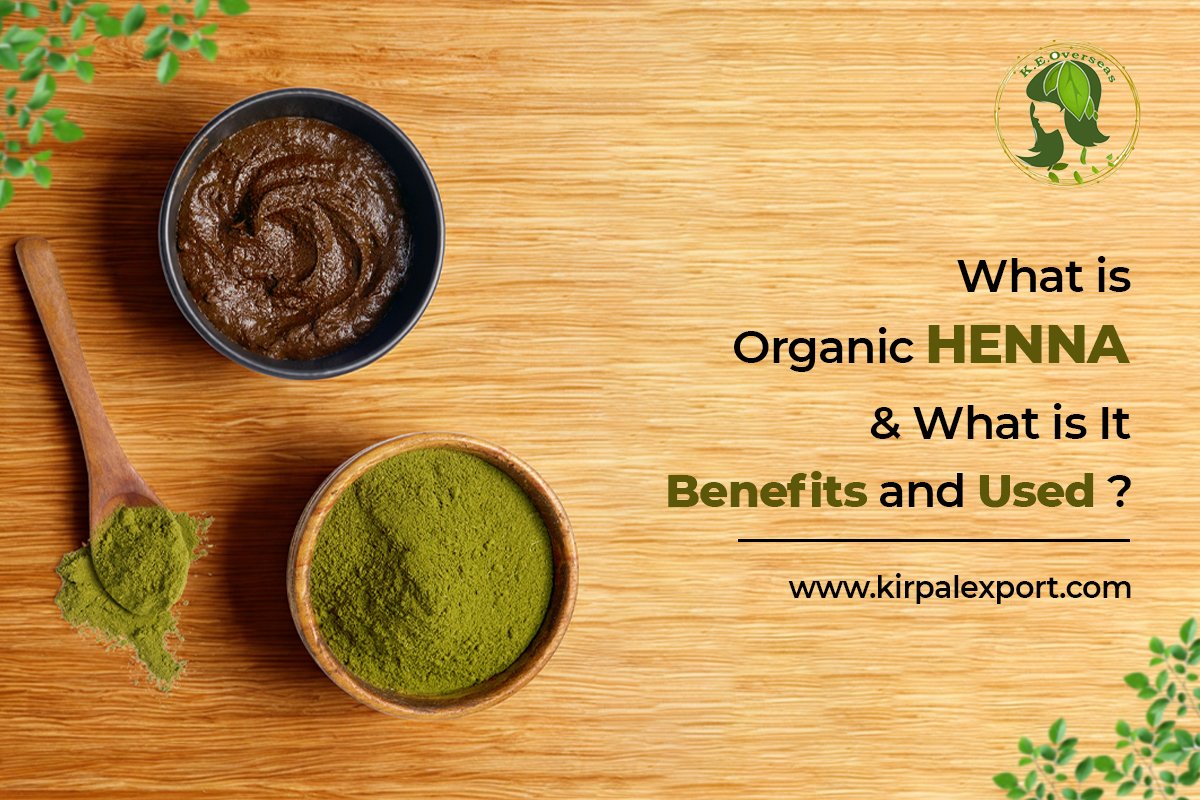
India is one of the world’s largest producers of henna, especially from regions like Rajasthan…
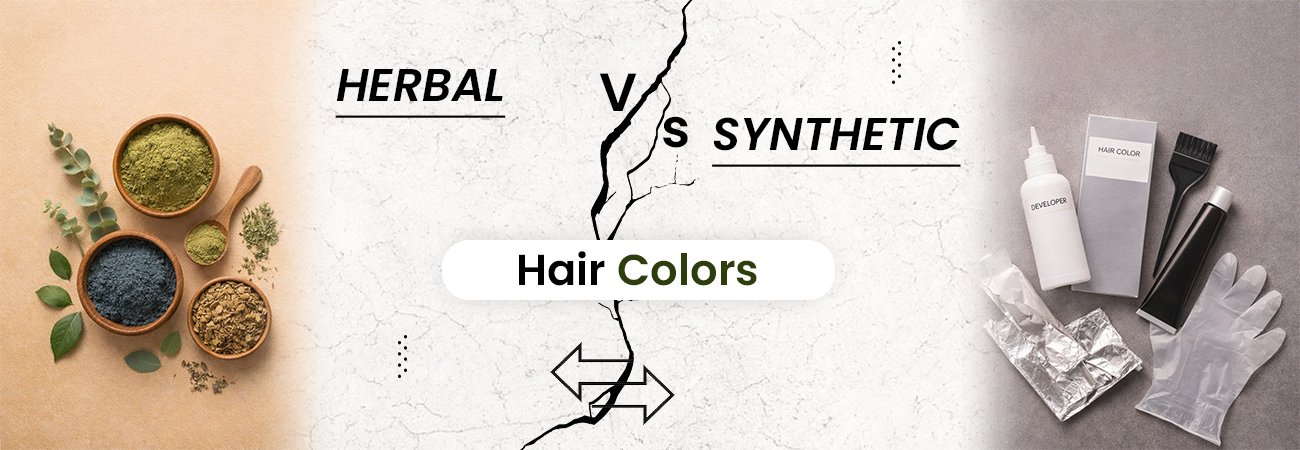
Hair coloring Hair coloring is no longer just cosmetic. It is now a technical product…
In today’s beauty world, more people are moving away from chemical hair treatments and choosing…
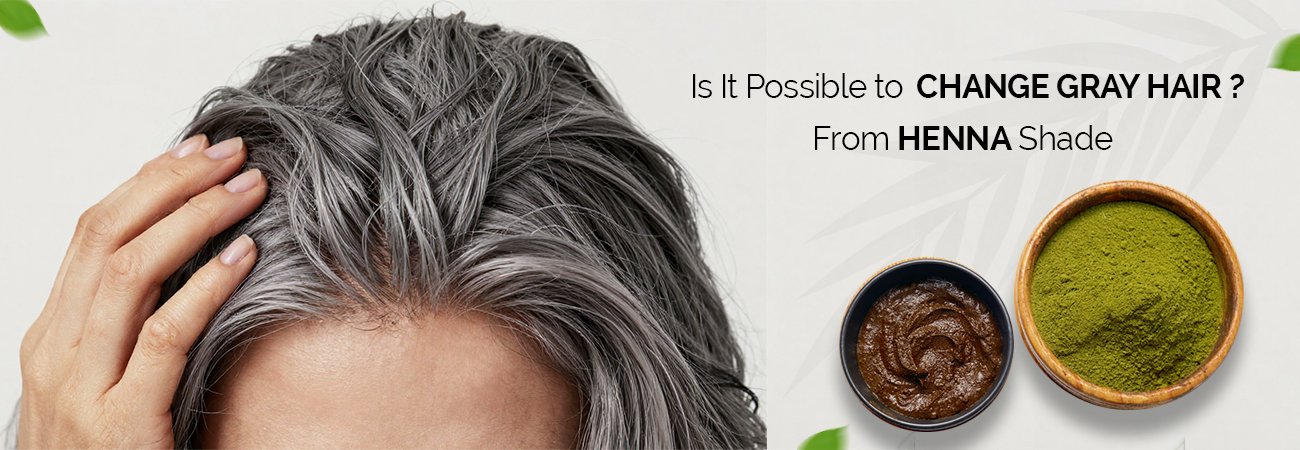
The Science, Process, and Truth Behind Natural Hair Coloring Gray hair is a natural part…