Call/WhatsApp: +91-9811618013, +91-9810306077
Email: keohenna@gmail.com, kirpaloverseas@gmail.com
Email: keohenna@gmail.com, kirpaloverseas@gmail.com





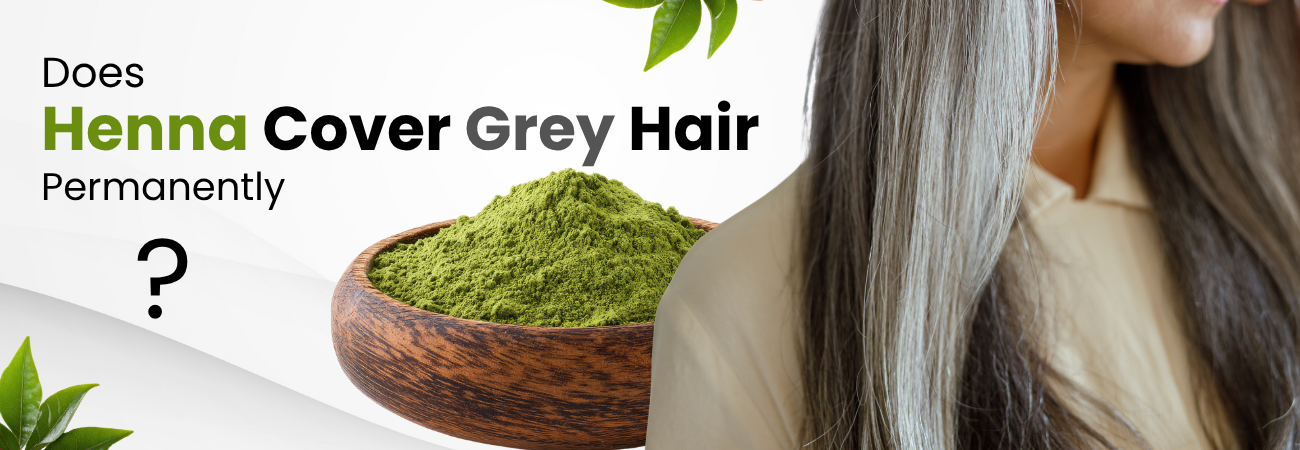
When I first heard people raving about henna for grey hair, I rolled my eyes a little. A plant powder covering stubborn grey strands better than a box dye? Sounded like one of those natural beauty myths that gets passed around on social media without much truth behind it.
But the more I looked into it — and I mean really looked into it, not just skimmed a few articles — the more I realized something. Henna has been coloring hair for thousands of years across South Asia, the Middle East, and North Africa. It did not survive that long by accident. There is real science behind how it works, and once you understand that science, the results people talk about start making a lot of sense.
So if you are standing in your bathroom staring at those silver strands and wondering whether henna is worth your time, read this first. I am going to walk you through everything — what henna actually does to grey hair, whether the color truly lasts, how to get the best possible results, and why so many people are buying wholesale henna powder in bulk these days because they just cannot imagine going back to chemicals.
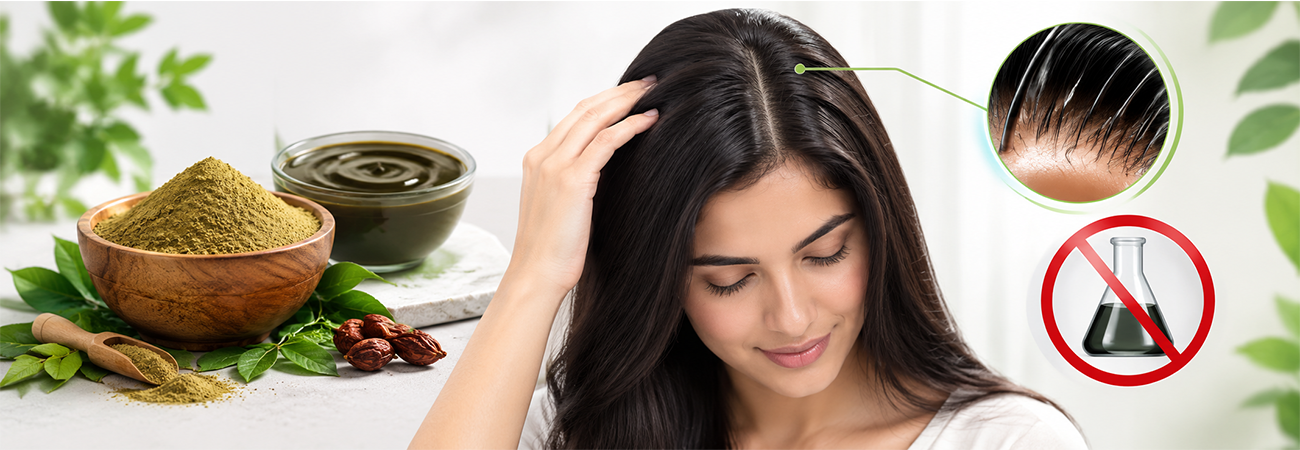
Henna comes from the dried, ground leaves of a plant called Lawsonia inermis. That is the full science-y name. In everyday life, people just call it the henna plant, and it grows naturally in warm, dry climates across India, Pakistan, Morocco, Egypt, and surrounding regions.
When you grind those leaves into a fine powder and mix it with something acidic — lemon juice works brilliantly — a compound called lawsone is released. Lawsone is the active dye molecule in henna, and it behaves in a way that is pretty different from anything in a chemical hair dye kit.
It does not blast open your hair cuticle and force color in. Instead, lawsone molecules actually bond with keratin — the protein that your hair is made of. They attach themselves to the hair at a structural level. That is the reason henna color lasts as long as it does. It is not sitting on the outside of the hair strand waiting to be washed off. It is genuinely bonded to it.
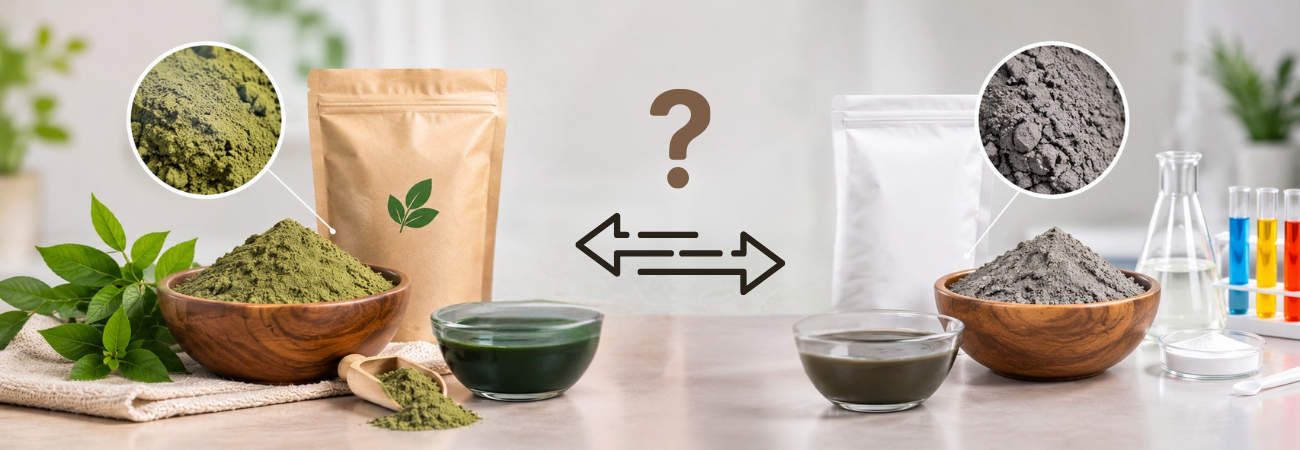
This is also the reason quality matters so much. When you use pure, properly sourced henna powder — the kind you find when buying good wholesale henna powder from a reliable supplier — that lawsone content is high and consistent. When you pick up a cheap packet of something labeled “henna” that is actually full of fillers, synthetic dyes, or metallic salts, you are not getting the same thing at all. You are getting an imitation, and the results will reflect that.
Yes. Genuinely, yes.
And here is the interesting part. Grey hair might actually be the best type of hair for henna to work on. Here is why.
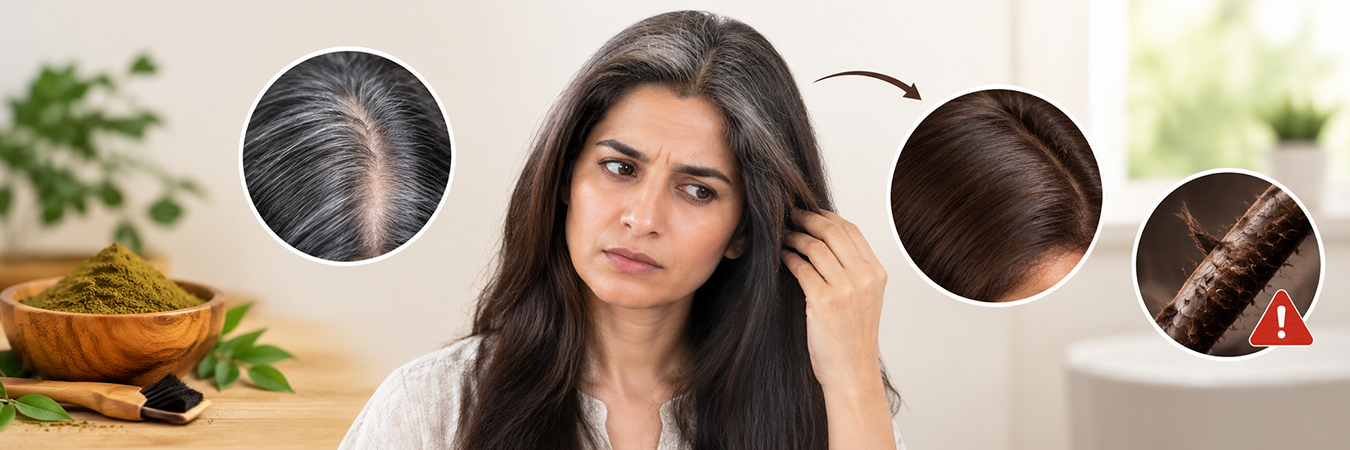
Grey hair has lost its melanin. Melanin is the natural pigment that gives hair its color — dark brown, light brown, auburn, blonde, whatever shade you were born with. When melanin fades out, which happens naturally as we age, what is left behind is a porous, almost transparent strand that is essentially waiting to absorb whatever color comes its way.
When henna’s lawsone molecules arrive, there is nothing in those grey strands competing with them. No existing pigment, no resistance. The dye just soaks right in. This is why so many people notice that their grey hairs actually come out looking more vivid and richly colored after henna than their naturally pigmented strands do.
Now, the shade you will get on grey hair from pure henna is warm. We are talking copper, orange, auburn, reddish-brown — that warm-toned family. It is not going to come out a cool brunette or a jet black on its own. And for some people, that warm glow is exactly what they wanted. For others who were hoping for something darker, there are ways to get there — more on that in a bit.
This is probably the most common question I see about henna on grey hair, and the honest answer sits somewhere in the middle.

Henna is not a rinse. It is not a semi-permanent gloss. It does not fade out in a handful of washes and leave your grey hair exactly as it was. Because lawsone bonds to the hair structurally, the color has real staying power. Most people find it lasts anywhere from four to eight weeks before they start noticing significant fading.
But calling it completely permanent would be stretching the truth. The color does fade — slowly, gently, gradually. Sun exposure speeds it up. Frequent shampooing fades it. Swimming in chlorinated water fades it. Over time, the color shifts toward a warmer, lighter version of itself before fading further. It does not abruptly disappear one day the way some chemical colors seem to.
On grey hair specifically, the staying power tends to be quite good. Those melanin-free strands grip the lawsone tightly, and many people find their grey coverage lasts toward the longer end of that range.
The other reality is that as your hair grows, new grey roots will appear and you will need to reapply henna to those new sections. This is the same with any hair color, natural or chemical. Most people settle into a routine of touching up every three to six weeks, depending on how fast their hair grows and how noticeable the regrowth feels to them.
What you will not deal with is the harsh, blunt regrowth line that chemical dyes often create. Because henna fades gradually, the transition between colored and new growth tends to look softer and more blended. A lot of people actually prefer this.
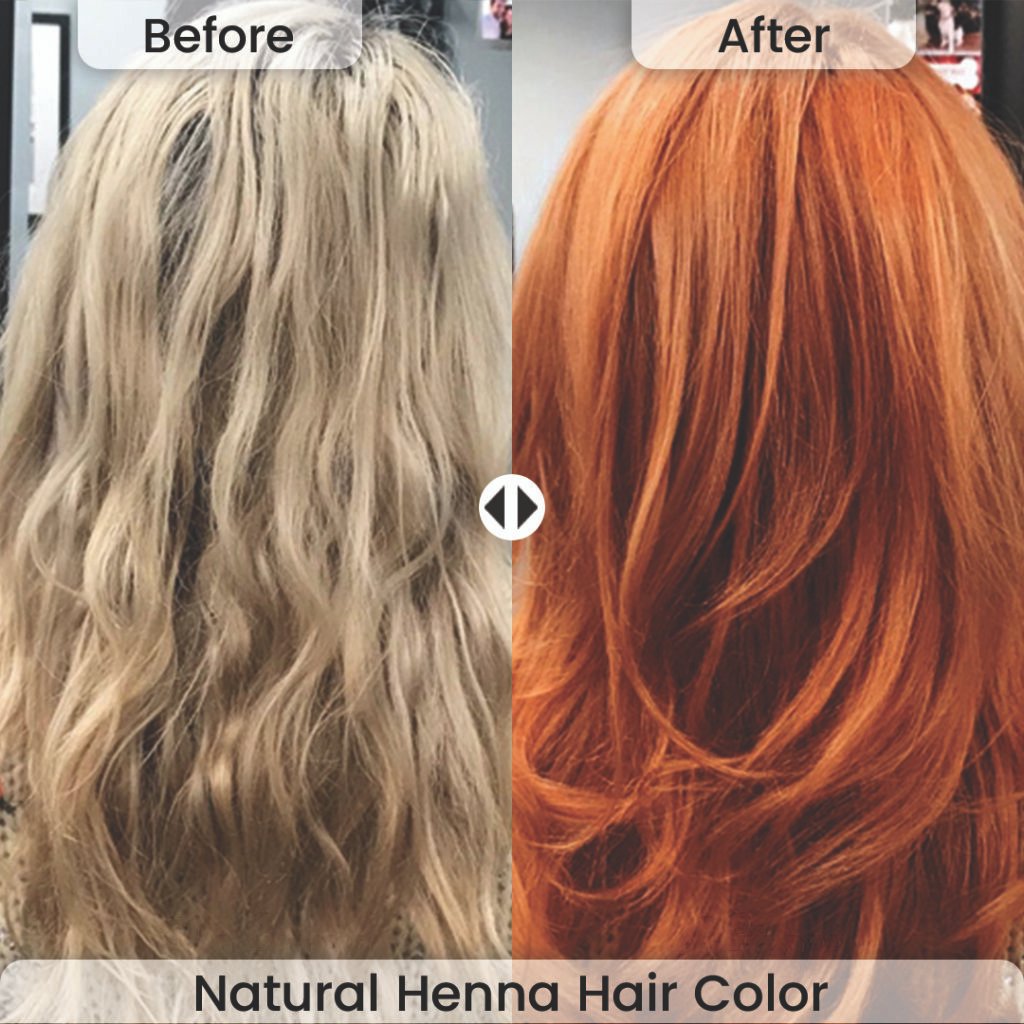
There is a difference between slapping henna on your hair and getting decent results, and doing it thoughtfully and getting beautiful results. Here is what makes the real difference.
Start with quality powder. I keep coming back to this because it genuinely matters. Good wholesale henna powder smells earthy and faintly grassy — like dried leaves, which is exactly what it is. It should be a greenish-brown color. If it smells chemical or synthetic, if it is an oddly bright green, if the ingredients list has things you cannot identify — that is a red flag. Pure henna from a trustworthy source is the foundation of everything.
Mix it with lemon juice rather than plain water. The mild acidity unlocks the dye release process. Add a small spoon of amla powder if you want to slightly deepen the tone and reduce any harsh brassiness. Once mixed, do not rush. Let the mixture sit for at least four to eight hours before using it. This resting period, often called dye release, is when the lawsone actually becomes active. Skipping this step and slapping fresh-mixed henna onto your hair means you are not getting anywhere near the full color payoff.
Apply to clean, dry hair with no products in it. Any buildup from dry shampoo, oils, or styling products will block the henna from making proper contact with your hair. Wash your hair first, let it dry fully, then start applying.
Section your hair properly and take your time coating every strand, especially the grey sections. Grey hair can sometimes be a bit wiry and stubborn — it takes more patience than smooth, soft hair. Make sure everything is fully saturated.
Once applied, cover your head with a shower cap or some cling wrap. Warmth speeds up the bonding process, so wrapping a warm towel around your head or sitting somewhere warm helps. Leave it on for a minimum of three hours. For grey hair specifically, four to six hours gives noticeably better coverage. Some people leave it overnight.
When you rinse, use water only — no shampoo yet. Condition afterwards to make rinsing easier. Then wait a full 24 to 48 hours before shampooing. During those first couple of days, the lawsone continues oxidizing, and the color actually deepens a little. Shampooing too early can interrupt that process.
Pure henna gives you warm, reddish-copper tones on grey. That is just what it does on its own. But you are not stuck with that if it is not the look you want.
The most effective solution is combining henna with indigo powder. Indigo is another plant-based dye, and on its own, it gives bluish or grayish tones — not very useful for hair coverage. But when it follows a henna treatment, something interesting happens. The indigo bonds on top of the warm red tones from the henna and shift the color toward cool brunette shades. The longer you leave the indigo on, and the more indigo relative to henna you use, the darker and cooler the result.
For a warm chocolate brown, a two-step process — henna first, then indigo — with roughly equal amounts of each works beautifully. For dark brown or nearly black results, a longer processing time for the indigo step and a higher ratio of indigo push the color darker.
This two-step henna-indigo method is genuinely ancient. It has been used across generations in South Asia and the Middle East for producing rich, natural hair colors without a single chemical. When you have a solid supply of wholesale henna powder plus some indigo on hand, you can really experiment until you find the exact shade that works for your hair and your skin tone.
Some people also stir coffee, black tea, or cocoa powder into their henna mix for a slightly warmer, deeper tone. These are more subtle additions but worth playing with.
Once people discover henna and see what consistent use does for their hair — the color, the shine, the thickness — they tend to stick with it. It becomes part of their routine. And when something becomes part of your routine, buying it in small, expensive retail packets stops making sense pretty quickly.
That is the biggest reason wholesale henna powder has become so popular. When you buy in bulk from a quality supplier, the cost per application drops significantly. Someone coloring their hair every month is saving real money over the course of a year compared to buying small packets each time.
For salon owners, it is even more straightforward. Demand for natural, chemical-free hair services has grown steadily, especially among clients who have started thinking more carefully about what goes on their scalp. Stocking wholesale henna powder lets salons offer these services consistently without constantly reordering or dealing with supply gaps.
There is also the purity angle. Reputable wholesale henna powder suppliers tend to be more transparent about sourcing, processing, and purity than generic small retail products are. When you are buying in volume, you have more reason to ask those questions and more leverage to get honest answers.
Henna does not work on grey hair — this one is simply false. As I explained earlier, grey hair often takes henna beautifully, sometimes better than pigmented hair.
All henna products are the same, also false and potentially important for your safety. There is a huge difference between pure plant-based henna and products that contain added PPD (a chemical dye), metallic salts, or synthetic compounds. These adulterated products can cause allergic reactions and hair damage. They are not the same thing. Always read ingredient labels and buy from a supplier you trust.
Henna will make grey hair look strange or unnatural — this comes up a lot, usually from people who have not seen good henna results on grey hair. The warm copper and auburn tones that henna creates on grey hair can look genuinely beautiful and vibrant, particularly on people with warm or olive skin tones. And with indigo in the mix, you have access to a whole range of natural-looking shades.
For most people, pure henna is not just safe — it is actively good for the hair. Because it coats the hair shaft rather than breaking into it, it tends to add body and shine over time. Many people switching from chemical color notice their hair feels stronger and healthier after a few months of regular henna use.
A couple of things to keep in mind though. If you have recently used permanent chemical dye — especially anything with metallic salts — applying henna on top can sometimes cause unpredictable results. A strand test before your first full application is always worth doing.
If your hair is very dry or highly porous, adding a generous splash of coconut oil or argan oil to your henna mix can help prevent it from feeling overly coarse after the treatment.
And if you have known plant sensitivities, especially to plants in the Lawsonia family, talking to a dermatologist before diving in is just smart.
So, does henna cover grey hair permanently?
Here is the straightforward answer: henna gives grey hair long-lasting, naturally beautiful color that bonds at a structural level and fades gradually over weeks rather than washing away in days. It is not permanent in the sense of lasting forever with zero maintenance, but it is far more than a temporary rinse. On grey hair, it tends to perform remarkably well and hold color better than on pigmented hair.
If you are done with the chemical routine, or if your scalp has been complaining about box dye for years, or if you just want something gentler that still actually works — henna is worth taking seriously. Use quality powder, follow the process properly, give it the time it needs, and the results will speak for themselves.
And when you are ready to commit to it — because most people who try henna properly do commit to it — finding a good source of wholesale henna powder will save you money, give you a consistent supply, and make the whole routine much easier to maintain.
Your grey hair does not need to be a problem to solve. But if you want color that comes from a plant and actually takes care of your hair in the process, henna has been doing exactly that for thousands of years.
That kind of track record is hard to argue with.
The patch test is the most boring step in hair colouring, and the one most…
Every natural hair color manufacturer eventually gets the same message from a buyer: “The black…
Look closely at a microbladed brow around the eighteen-month mark, and the story is usually…
A customer once told us something we still remember. She had been colouring her gray…