Call/WhatsApp: +91-9811618013, +91-9810306077
Email: keohenna@gmail.com, kirpaloverseas@gmail.com
Email: keohenna@gmail.com, kirpaloverseas@gmail.com






Every year, millions of people notice their first gray strand and quietly wonder the same thing: is there any way to stop this? For decades, the honest answer from medicine has been no—graying is simply something that happens as we age, and the best anyone could do was cover it up. But a strange observation made almost a decade ago, buried inside cancer research, is now pulling scientists back to a question they thought was already settled.
It started with something nobody was even looking for.
Back in 2017, researchers tracking lung cancer patients undergoing immunotherapy noticed something odd. The patients weren’t being treated for hair at all—they were receiving anti-PD-1 and anti-PD-L1 inhibitors, a class of drugs designed to help the immune system fight cancer cells. But somewhere along the way, doctors noticed that 14 of these patients had a side effect nobody had documented before: their gray hair was growing back in its original color.
At the time, this was treated mostly as a curiosity. Researchers guessed it might simply be a sign that the treatment was working in the body more broadly. But the observation stuck around in scientific literature, quietly waiting for someone to take it seriously.
That someone turned out to be Dr. Melissa Harris, a biologist at the University of Alabama, who has spent recent years trying to understand exactly why this happens—and whether it could be replicated safely, outside of cancer treatment, purely to address graying hair.
To understand why this discovery matters, it helps to understand what’s happening inside a hair follicle as we age. Hair gets its color from melanin, a pigment produced by cells called melanocytes that live at the base of each follicle. When you’re young, these cells are active and constantly replenished by melanocyte stem cells. Over time, for reasons scientists are still mapping out, these stem cells start to slow down, stop dividing properly, or simply run out. Once that happens, the follicle keeps producing hair — just without color.
Dr. Harris believes this loss of active melanocyte stem cells is the central reason most of us go gray, and her theory is straightforward in concept even if it’s complicated in practice: if you could find a safe way to “wake up” those dormant stem cells, you might be able to restore pigment production. That’s exactly the mechanism researchers suspect the immunotherapy drugs may have accidentally triggered in those cancer patients back in 2017.
It’s also worth knowing that aging isn’t the only factor at play. Genetics largely decides when you’ll start graying, but other things can speed the process up—chronic stress, smoking, and deficiencies in nutrients like vitamin B12, vitamin D, copper, and iron have all been linked to premature graying in various studies. Thyroid imbalances are another common, often overlooked culprit.
Here’s the part that’s important to be honest about: this is not a cure for gray hair, and it isn’t available to anyone right now. Dr. Harris and her team have only tested the reactivation approach in cells and animal models so far — not in human trials specifically aimed at treating gray hair. The results have been encouraging and consistent with what was seen in those 2017 cancer patients, but as Dr. Harris herself put it in a recent interview, “we wouldn’t be having this conversation if it were all totally answered.”
In plain terms, this is genuinely promising early-stage research, not a product you can buy. There is, at this time, no clinically proven way to reverse gray hair once it appears. Anyone telling you otherwise is getting ahead of the science.
While we wait for research like this to mature, there are real, evidence-backed ways to support your hair’s natural pigment for as long as possible. Eating a diet rich in B vitamins, iron, copper, and antioxidants supports healthy melanocyte function. Managing chronic stress—through sleep, movement, or simply slowing down—matters more than most people realize, since stress hormones have been directly linked to accelerated graying in research on both humans and mice. Quitting smoking helps too, as it reduces oxidative damage to hair follicles. And if your hair started turning gray unusually early, in your 20s or early 30s, it’s worth getting your thyroid and B12 levels checked, since correcting a deficiency can sometimes slow the process noticeably.
None of this will undo gray hair that’s already there. But it can help you hold onto your natural color a little longer.
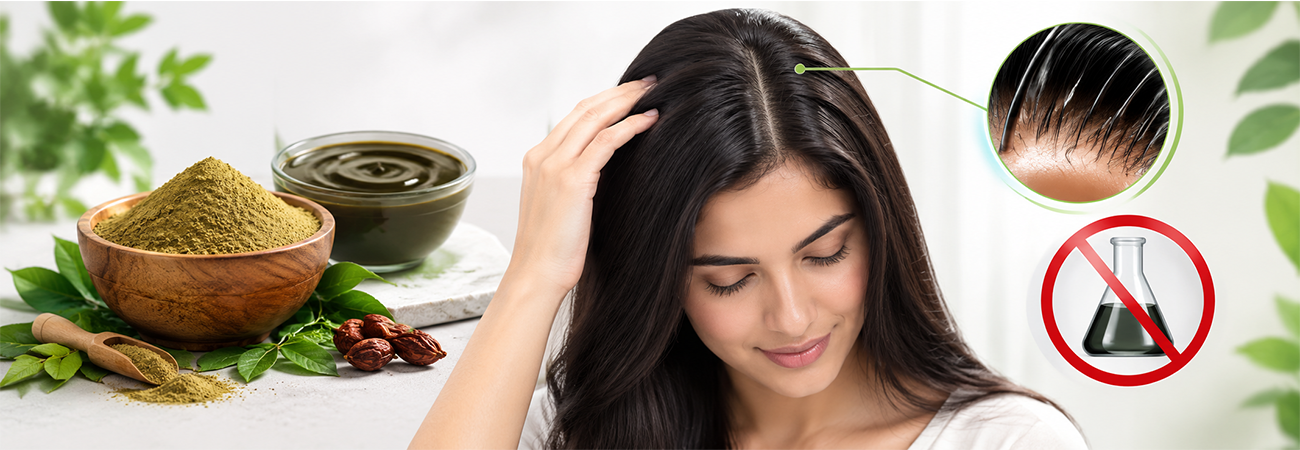
Until science delivers on the promise of reversing gray hair at its source, the most practical option remains coloring it — and how you choose to do that matters more than most people think. Conventional chemical hair dyes typically rely on ammonia and PPD (para-phenylenediamine) to force pigment into the hair shaft, which can leave hair dry, weakened, and prone to allergic scalp reactions over repeated use.
This is exactly why plant-based, herbal hair color has seen such a steady rise in demand, particularly among people who color their hair regularly and don’t want to compound the damage. Pure henna, sourced and processed correctly, coats and conditions the hair shaft rather than forcing open the cuticle with harsh chemicals. It’s a method that’s been trusted for centuries in places like Rajasthan, India — long before “clean beauty” became a marketing term — precisely because it works without compromising hair health.
This is the space where companies like Kirpal Export Overseas operate. Based in Sojat, Rajasthan — a region historically known for producing some of the world’s finest henna — the company manufactures and exports pure, plant-based henna powder and herbal hair colors under its Indalo brand. As global demand grows for chemical-free alternatives to synthetic hair dye, manufacturers rooted in Sojat’s centuries-old henna tradition are increasingly supplying both individual consumers and private-label buyers across markets like the UK, USA, UAE, and Germany who want a gentler, naturally effective way to manage gray hair without the trade-offs that come with ammonia- and PPD-based dyes.
The discovery that cancer immunotherapy can re-pigment gray hair is a genuinely exciting thread for science to pull on, and Dr. Harris’s ongoing research suggests we may be closer than ever to understanding—and one day controlling—why hair grays in the first place. But “closer” still means years away from anything available to the public. For now, the smartest approach is the one that’s worked for generations: support your hair’s natural health through diet and lifestyle, and when gray hair does show up, reach for coloring methods that work with your hair rather than against it.
Science may eventually rewrite the rules on gray hair. Until then, nature already has a pretty good answer.
The patch test is the most boring step in hair colouring, and the one most…
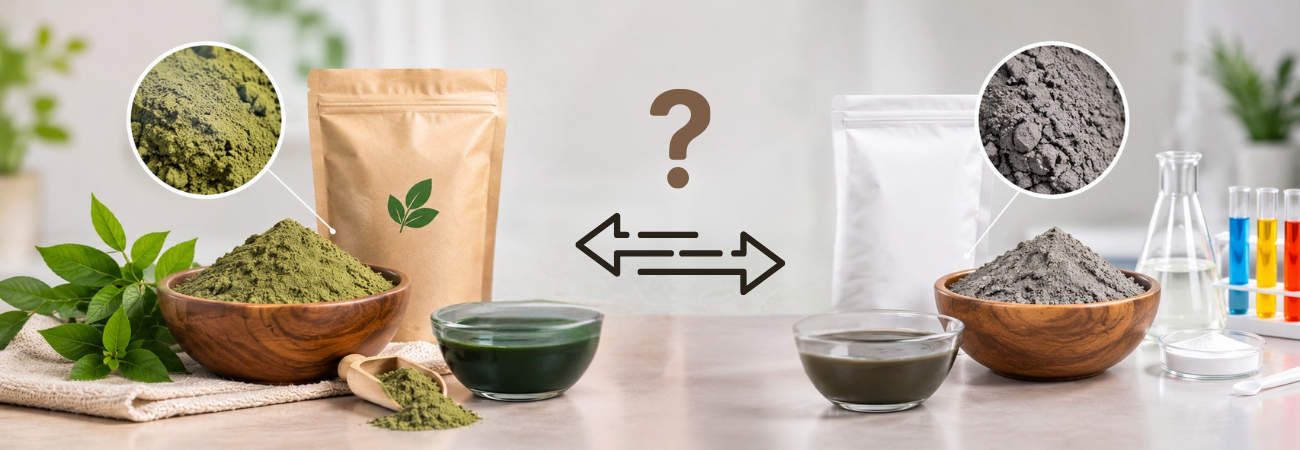
Every natural hair color manufacturer eventually gets the same message from a buyer: “The black…
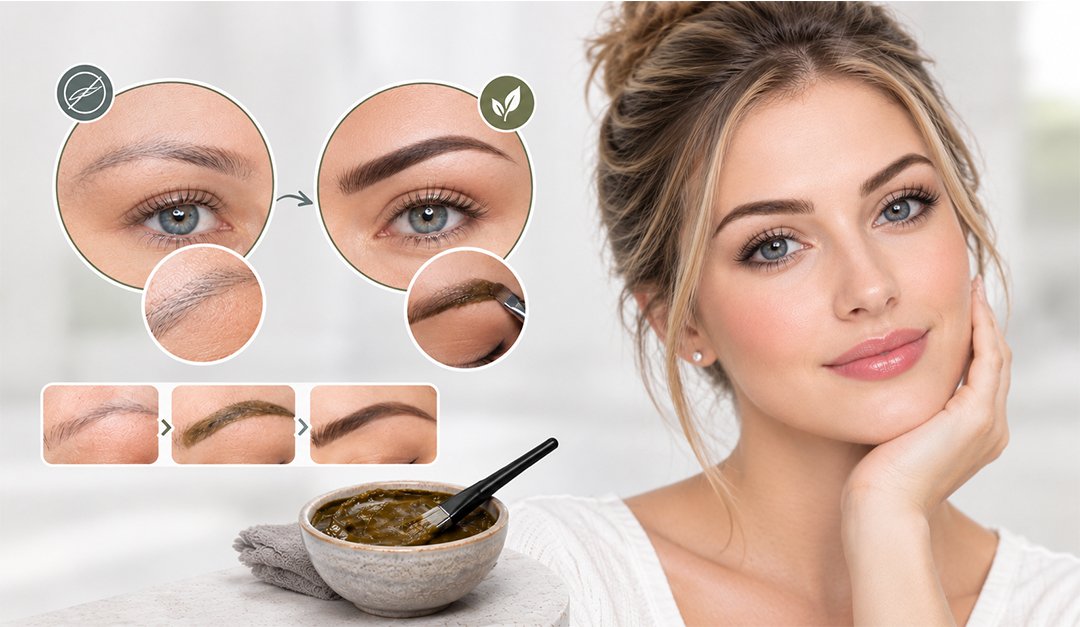
Look closely at a microbladed brow around the eighteen-month mark, and the story is usually…
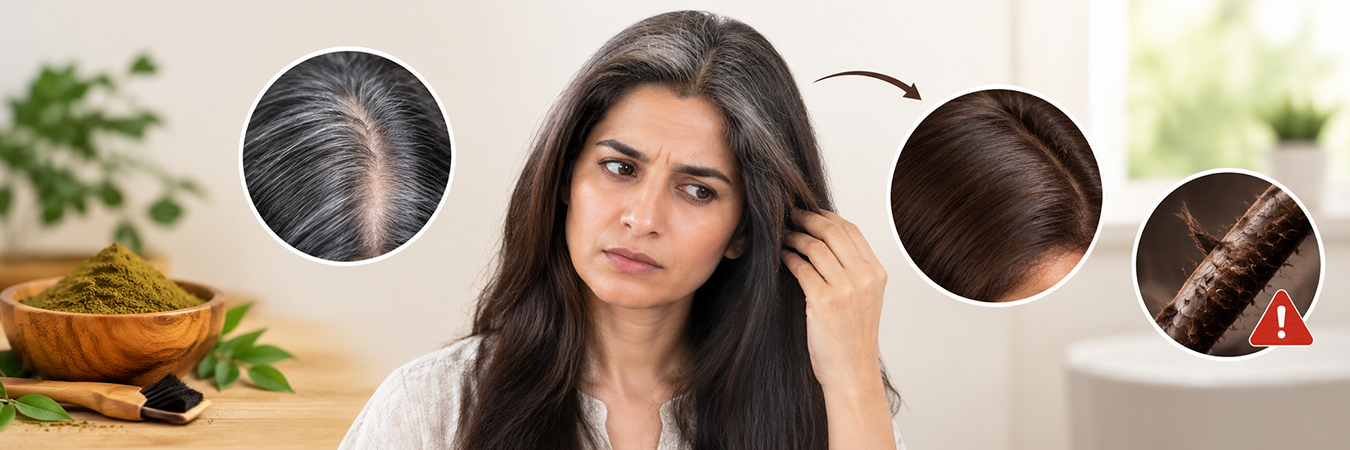
A customer once told us something we still remember. She had been colouring her gray…