Call/WhatsApp: +91-9811618013, +91-9810306077
Email: keohenna@gmail.com, kirpaloverseas@gmail.com
Email: keohenna@gmail.com, kirpaloverseas@gmail.com





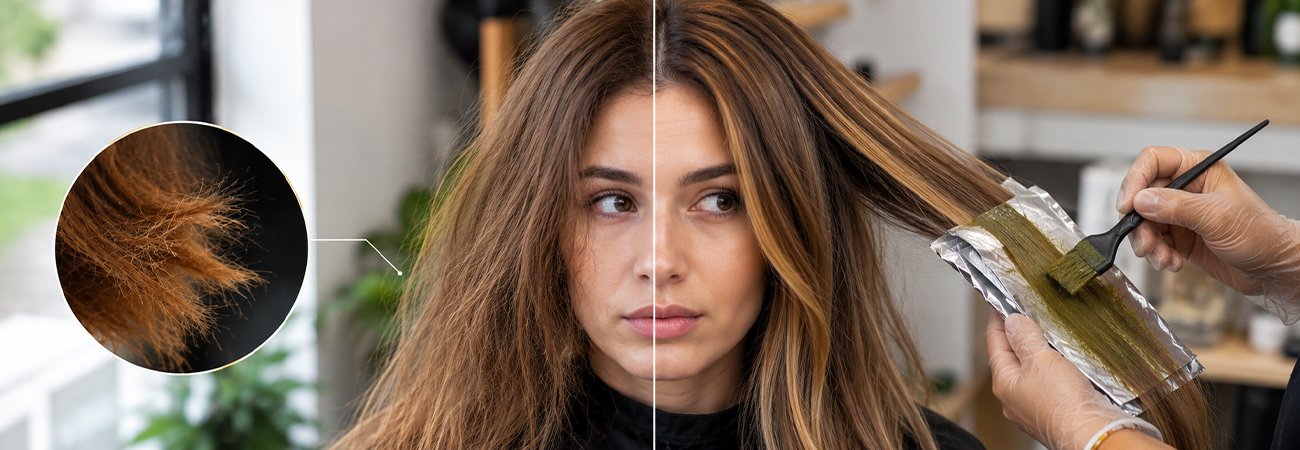
If your hair already feels dry, brittle, or over-processed, the idea of adding blonde highlights on top of that damage can feel risky — and honestly, it is. Blonde highlights involve lightening the hair, which means stripping away natural pigment using bleach or high-lift color. On healthy hair, this process is manageable. On already damaged hair, it can push your strands past the point of recovery if it’s not handled carefully.
That doesn’t mean blonde highlights are completely off the table. It just means you need to understand what damage actually means for your hair, what the lightening process does to it, and what precautions can make the difference between a good result and a hair disaster.
Before deciding whether highlights are safe, it helps to know what damage really looks like. Common signs include:
If more than one of these applies to you, your hair is likely dealing with some level of structural damage, and that changes how it will respond to a lightening process.
Hair color, especially lightening treatments, works by opening the hair cuticle and breaking down pigment inside the hair shaft. This process naturally weakens hair to some degree, even on healthy strands. When hair is already damaged, its protein structure (keratin) is compromised, and it has less natural resilience to handle that chemical process.
The result on damaged hair can include:
This is why many hairstylists will ask about your hair’s chemical history before agreeing to do highlights, and why some may recommend holding off or adjusting the approach.
In most cases, yes — but with adjustments. A skilled stylist can often still create a lightened look on damaged hair by modifying the technique rather than skipping it altogether. Some common approaches include:
Lower-volume developer: Using a gentler lightening formula reduces the intensity of the process, which is easier on already weakened hair, even if it takes a little longer to reach the desired shade.
Balayage or babylights instead of full foils: These techniques use less product and cover less surface area at once, which can reduce overall stress on the hair compared to traditional foil highlights.
Toning instead of full bleaching: If your hair already has some lift from previous color, a stylist might be able to achieve a blonde tone without a full bleaching session.
Strand tests first: A responsible stylist will often test a small section of hair before committing to a full head of highlights, just to see how it holds up.
If you’re set on getting highlights, giving your hair some recovery time beforehand makes a real difference.
One detail that often gets overlooked is that not all hair color products are made the same way, and this matters even more when hair is already fragile. Harsh, ammonia-heavy formulas from a low-quality hair color manufacturer can strip moisture and protein more aggressively, leaving already damaged hair in worse shape after the process.
This is where working with a trusted herbal hair color manufacturer can make a noticeable difference. Herbal and natural-based hair color formulations, often built around ingredients like henna, indigo, and other plant extracts, tend to be gentler on hair compared to fully synthetic, chemical-heavy dyes. While herbal color isn’t typically used to achieve high-lift blonde results on its own, many salons and brands now blend herbal conditioning agents into their color lines specifically to reduce the damage caused during and after the lightening process.
When choosing a salon or a color brand, it’s worth asking whether their products come from a hair color manufacturer that focuses on hair health alongside color performance, rather than one that prioritizes speed and intensity of lift above everything else. A manufacturer with proper quality testing and herbal-based conditioning agents in their formulations can mean less post-color dryness and better long-term hair health, especially for anyone who colors their hair regularly.
Getting the highlights done is only half the process. What you do afterward determines how well your hair recovers and holds up over time.
Use sulfate-free shampoo: Sulfates can strip color and moisture faster, which is especially harsh on already weakened hair.
Deep condition weekly: Look for treatments with protein and moisture balance, since over-conditioning with only moisture (without protein) can sometimes make damaged hair feel limp or gummy.
Limit wash frequency: Washing less often helps color last longer and reduces cumulative stress on the hair shaft.
Use heat protectant, always: If you use heat styling tools, a protectant spray is non-negotiable for color-treated, damaged hair.
Trim regularly: Getting rid of damaged ends every 8–10 weeks prevents breakage from traveling further up the hair shaft.
Consider a gloss or toner refresh: Instead of re-bleaching for touch-ups, a toner or gloss can refresh blonde tones without adding further chemical stress.
There are situations where it’s genuinely better to wait:
In these cases, focusing on hair recovery first, through protein treatments, trims, and reduced heat styling, will set you up for a much safer and better-looking result later.
Blonde highlights and damaged hair aren’t automatically incompatible, but they do require a more careful, customized approach than lightening healthy hair. The key is honest communication with your stylist about your hair’s history, realistic expectations about the process, and consistent aftercare once the color is done.
Just as importantly, the quality of the color product itself plays a bigger role than most people realize. Choosing a salon or brand that sources from a reliable hair color manufacturer, ideally one with herbal, conditioning-focused formulations, can make the difference between highlights that leave your hair worse off and a color result that looks good while giving your hair a real chance to recover.
Q1: Can I bleach damaged hair for highlights at all? It’s possible in many cases, but it usually requires adjustments like lower-volume developer, techniques that use less product (like balayage), and a strand test beforehand to check how the hair responds.
Q2: Will highlights make already damaged hair worse? They can, if the process isn’t adjusted for your hair’s condition. Working with an experienced stylist and using gentler, herbal-based color products can reduce additional damage.
Q3: How long should I wait before highlighting damaged hair? It depends on the severity of the damage, but waiting at least a few weeks after any other chemical treatment, along with using deep conditioning treatments in that window, generally improves your results.
Q4: Is herbal hair color a good option for damaged hair? Herbal hair color formulations, often containing henna and other plant-based ingredients, tend to be gentler than fully chemical dyes, making them a better supporting choice for conditioning, though full blonde lightening still typically requires some level of bleach.
Q5: What should I look for in a hair color manufacturer if I have damaged hair? Look for manufacturers that emphasize herbal or conditioning-focused formulations, proper quality testing, and transparency about ingredients, rather than products that only focus on speed and intensity of color lift.
Every henna powder supplier claims to sell the “purest” product on the market. Walk through…
Walk into any natural hair care store, or scroll through a beauty forum for five…
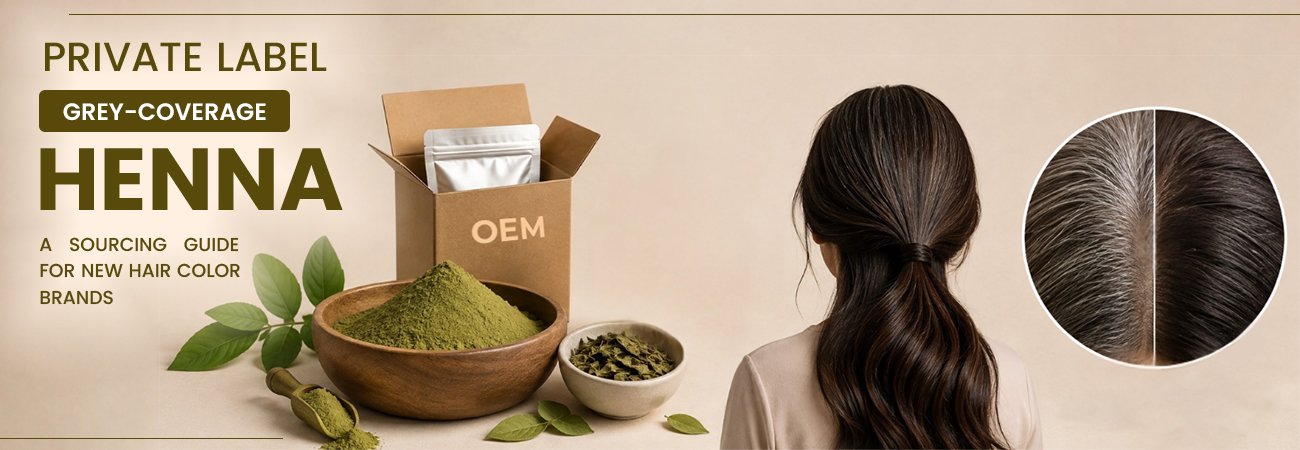
Launching a private label hair color line sounds simple on paper — pick a formula,…
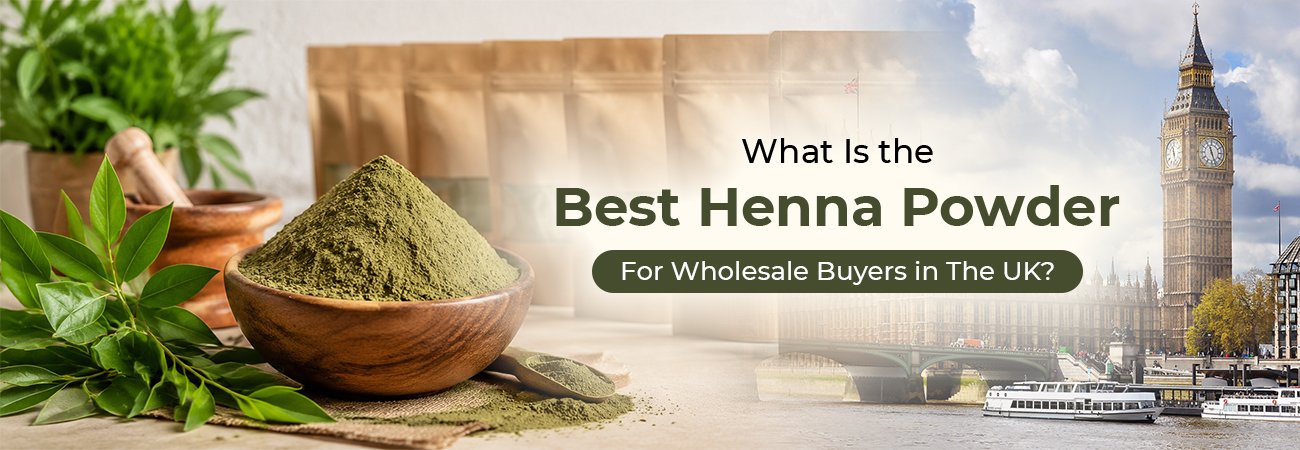
If you’re a UK-based salon chain, hair color brand, or distributor trying to source henna…