Call/WhatsApp: +91-9811618013, +91-9810306077
Email: keohenna@gmail.com, kirpaloverseas@gmail.com
Email: keohenna@gmail.com, kirpaloverseas@gmail.com





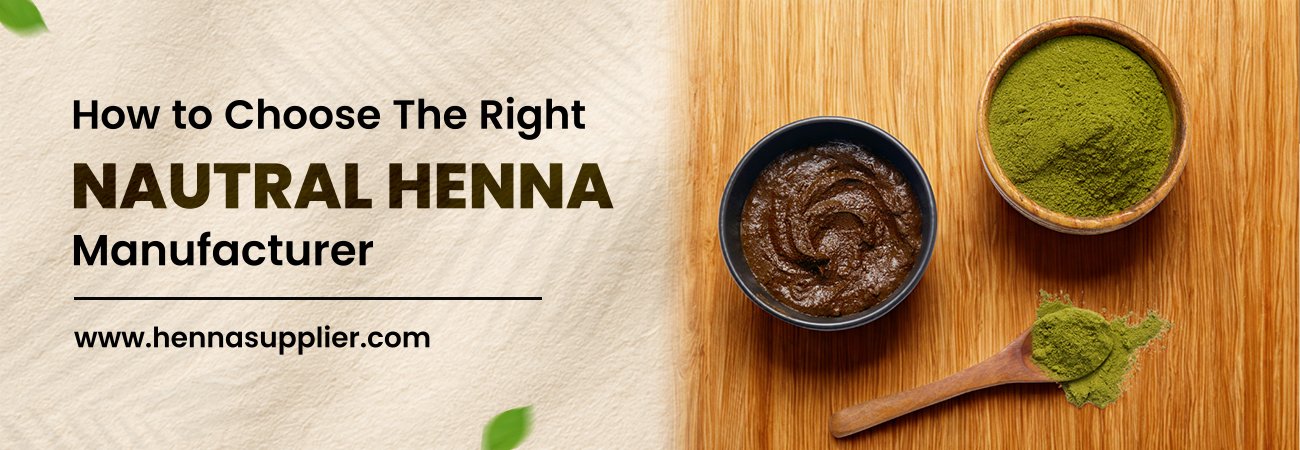
Choosing a henna manufacturer is not something most people plan carefully at first. Henna looks simple, but once you start using it regularly, the difference between good and poor quality becomes very clear. Color results, texture, and even smell can vary a lot from one manufacturer to another.
This is why understanding how henna is made and handled is important before trusting any supplier.
Many assume that all henna powders are the same. In reality, pure henna behaves very differently from products that are mixed or rushed during processing.
Natural henna does not give instant results. Its color develops slowly, and its fragrance is mild and earthy. A responsible henna manufacturer respects these natural characteristics instead of trying to change them.
Henna quality always begins at the farm level. Climate, soil, and harvesting time play a major role in pigment strength. This is one reason buyers often look for a henna manufacturer in India.
Henna has been cultivated in India for generations, and many manufacturers there understand seasonal cycles and traditional harvesting methods. This knowledge helps maintain stable quality over time.
Even strong henna leaves can lose value if processing is careless. Drying too fast or grinding without control can weaken color performance.
A reliable henna manufacturer does not rush these steps. Natural drying, proper grinding, and clean handling may take more time, but they protect the plant’s natural properties.
With natural products, small variations are normal. But large differences between batches usually indicate weak quality control.
An experienced henna manufacturer understands how to balance natural variation while keeping results reliable. This kind of consistency usually comes from years of hands-on work, not from shortcuts.
One simple way to judge a henna manufacturer is by how openly they talk about their process. Manufacturers who are confident in their work are usually comfortable explaining sourcing, processing, and purity standards.
Lack of clear information often means the process is not well controlled.
Exporting natural henna requires stricter attention to hygiene, packaging, and documentation. Because of this, manufacturers supplying international markets often follow stronger internal standards.
This is another reason why global buyers prefer working with a henna manufacturer in India that already understands export requirements.
Choosing the right henna manufacturer is less about bold claims and more about understanding how henna is treated from start to finish. Natural henna reflects patience, experience, and respect for traditional methods.
When these factors come together, the result is pure, natural henna that performs consistently and earns long-term trust.
Every henna powder supplier claims to sell the “purest” product on the market. Walk through…
Walk into any natural hair care store, or scroll through a beauty forum for five…
Launching a private label hair color line sounds simple on paper — pick a formula,…
If you’re a UK-based salon chain, hair color brand, or distributor trying to source henna…