Call/WhatsApp: +91-9811618013, +91-9810306077
Email: keohenna@gmail.com, kirpaloverseas@gmail.com
Email: keohenna@gmail.com, kirpaloverseas@gmail.com





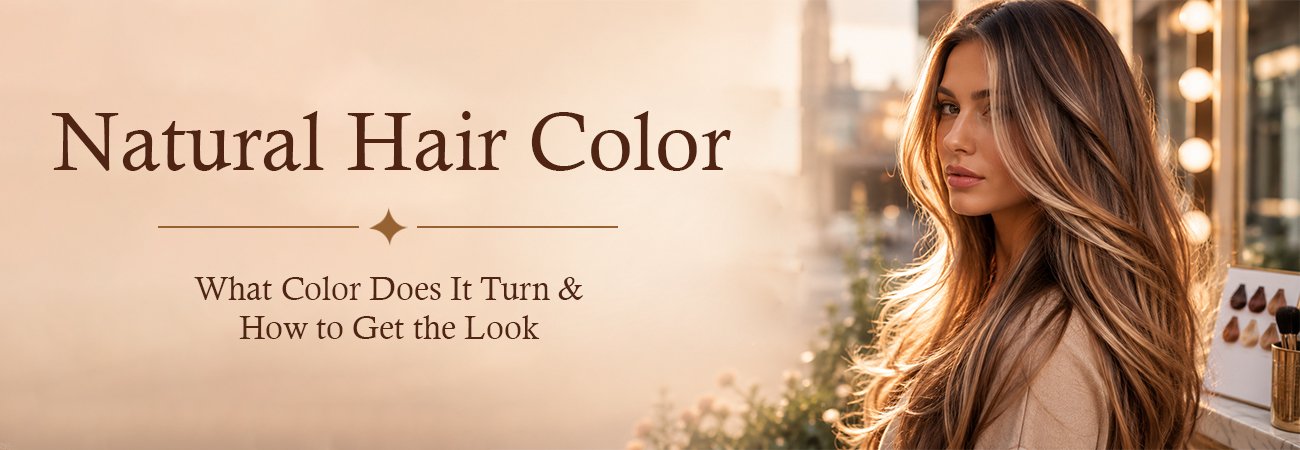
Every time Disney’s Tangled starts streaming, millions of viewers find themselves Googling the same question: “What would Rapunzel’s hair color actually look like on a real person?” That iconic cascade of golden-blonde, sun-kissed locks has become one of the most searched fantasy hair colors of the decade.
But what does that fairytale shade translate to in the real world—and more importantly, how can you achieve it safely and naturally? Whether you’re inspired by the magic of animation or simply chasing that warm, luminous golden blonde, this guide breaks down everything you need to know — from color theory to choosing the right hair color manufacturer whose formulas are kind to your hair and the planet.
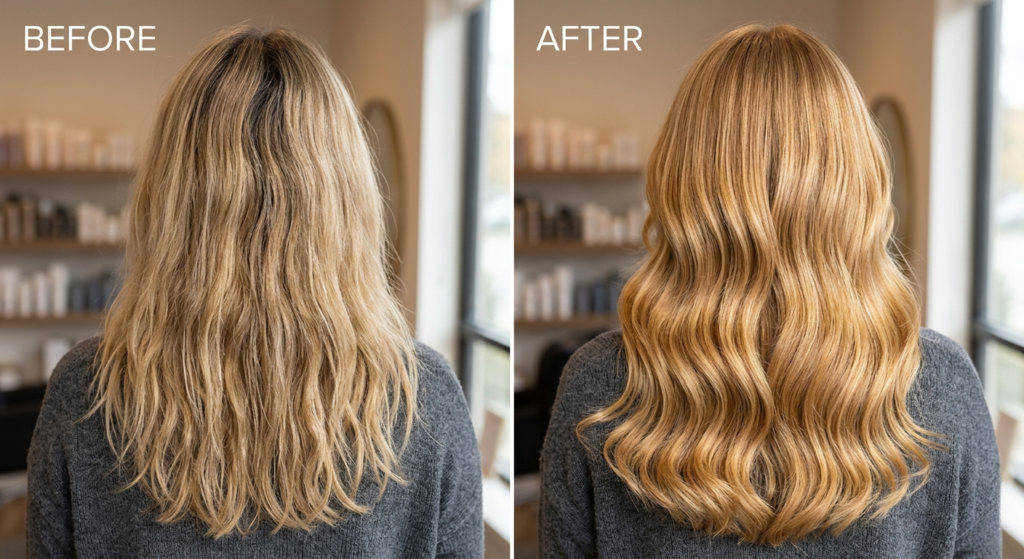
In Disney’s Tangled, Rapunzel’s hair is depicted as a warm, golden blonde — closer to what colorists call “honey blonde” or “golden wheat.” It’s not the platinum ice-blonde of a Scandinavian winter, nor the deep amber of caramel. It sits beautifully in between: sun-drenched, dimensional, and full of warmth.
In color theory terms, Rapunzel’s hair would be classified around Level 8–9 on a standard hair color chart, with golden-yellow undertones (tone code: G or GG). Think of the color of ripe wheat fields at golden hour, or raw honey drizzled in sunlight.
Here are the four real-life tones that make up the full Rapunzel palette:
Honey Golden Blonde — The closest real-life match to Rapunzel’s animated shade. Level 8G on the color chart.
Warm Amber Gold — The result when achieved on darker natural hair. Rich, deep, and luminous.
Sunlit Wheat—The highlight dimension. Lighter strands that create that signature glowing effect.
Deep Brunette Root — The natural shadow at the root that adds depth, realism, and dimension.
The key to understanding Rapunzel’s hair is that it’s multidimensional—animators layered at least three to four tones to give it movement and life. That’s actually great news for real-world styling, because it means the look is forgiving and highly customizable.
Here’s where things get interesting. The outcome of any golden blonde transformation depends enormously on your starting hair color and texture. A trusted hair color manufacturer always accounts for this, and so should you before booking that appointment or ordering that henna kit.
On Light / Naturally Blonde Hair (Level 7–9)
If you’re starting with naturally light blonde or light brown hair, achieving the Rapunzel look is beautifully straightforward. A warm golden toner or a light henna-cassia blend will deepen and warm your natural shade, adding sun-kissed radiance without dramatic lifting. Result: nearly identical to the animated character.
On Medium Brown Hair (Level 4–6)
This is the most common starting point and requires a two-stage approach: lightening followed by golden toning. With quality formulas from a certified hair color manufacturer, your hair can land at that rich honey-amber shade. Henna over medium brown hair naturally produces warm copper-golden tones—a gorgeous, earthy interpretation of the Rapunzel look.
On Dark Brown or Black Hair (Level 1–3)
Achieving true Rapunzel blonde on very dark hair requires multiple lightening sessions and patience. However, a natural alternative is to work with the hair’s natural warmth: applying quality henna gradually builds warm reddish-gold tones over time, creating a beautiful dark golden auburn—your own earthy version of Rapunzel’s magic.
Expert Note from a Hair Color Manufacturer: Professional hair color manufacturers formulate different golden blonde shades for different base colors precisely because the chemistry varies. Never use a product designed for light hair on dark hair without professional guidance—it’s one of the most common mistakes that leads to disappointing or damaging results.
“Rapunzel’s hair wasn’t just beautiful — it was magical and alive. The closest real-world equivalent? Hair that’s been nourished with henna: deeply conditioned, naturally vivid, and incredibly strong.” — Insight from our herbal hair color formulation team
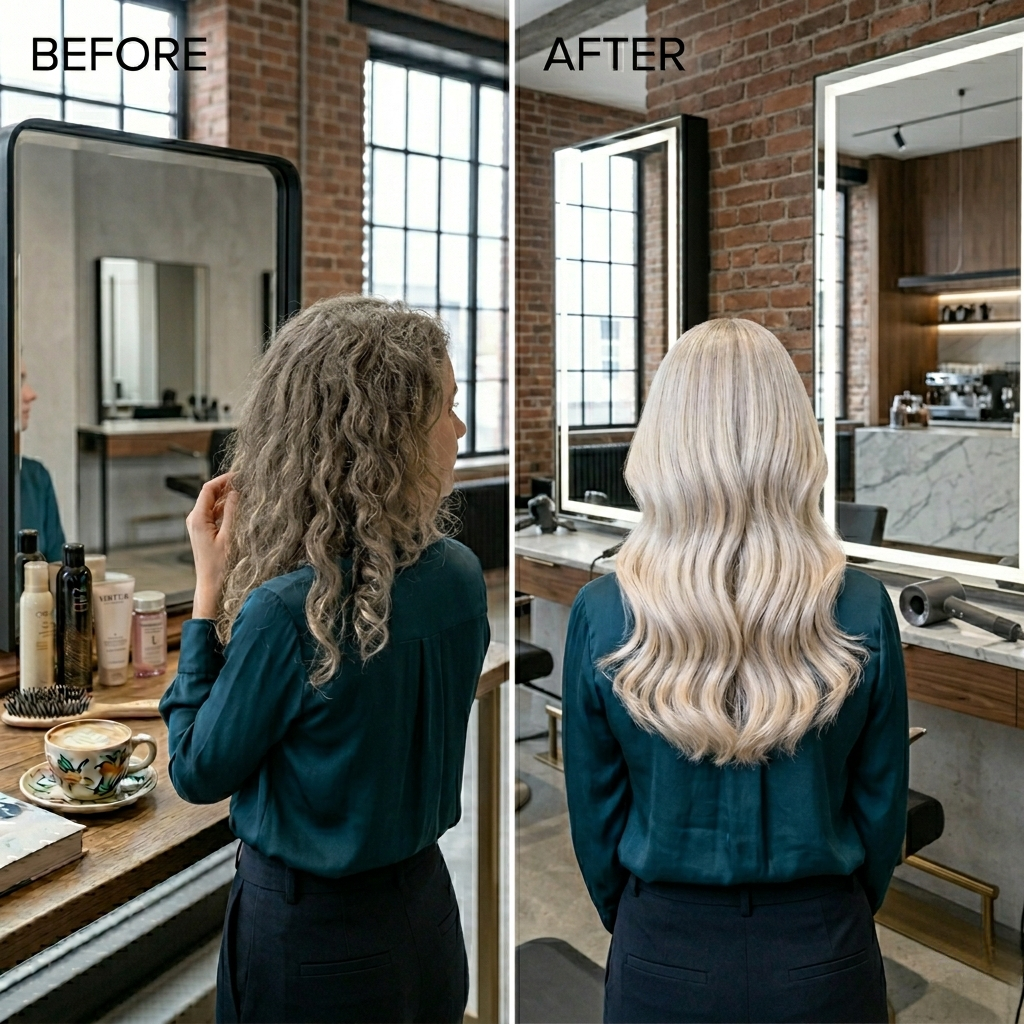
As a natural hair color manufacturer specializing in henna and herbal hair colors, we believe the Rapunzel look is actually a perfect argument for going natural. Here’s why henna and herbal blends are uniquely suited to achieving golden, luminous hair tones.
Understanding Henna for Golden Hair
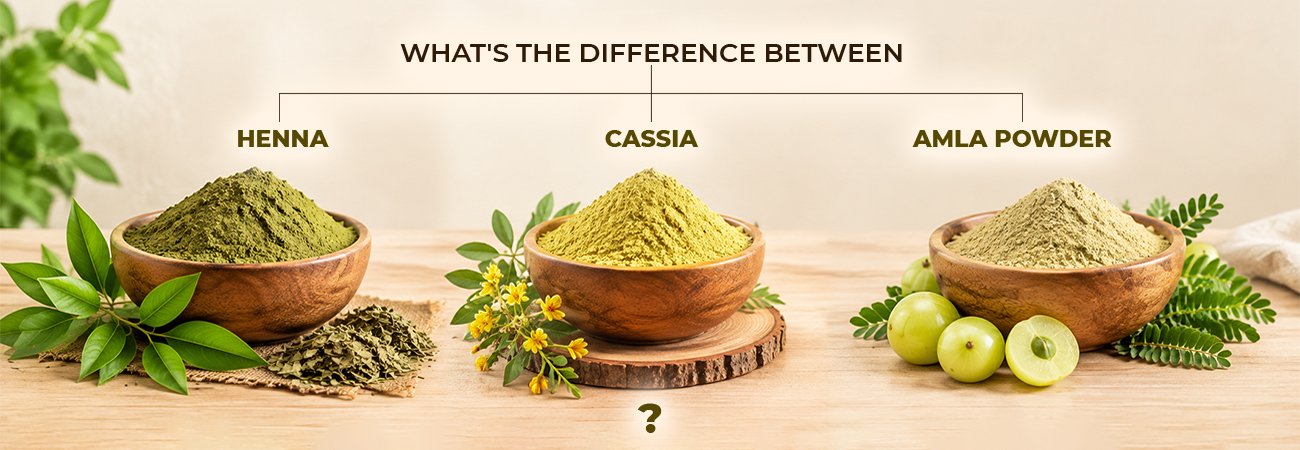
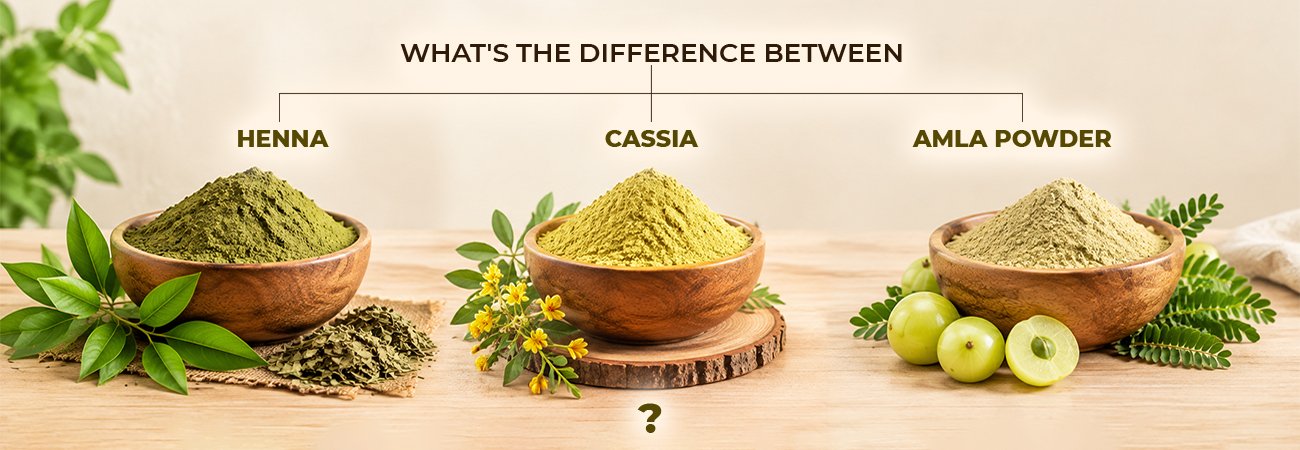
Pure henna (Lawsonia inermis) on its own deposits a vivid red-orange pigment. However, when blended with Cassia obovata (neutral henna) and other botanicals like chamomile, saffron, or amla, the formula shifts toward rich golden-amber tones — the exact palette of Rapunzel’s hair.
Our natural hair color blends for golden tones include:
Why Herbal Hair Color Is the Smarter Choice
Unlike chemical dyes that strip and coat the hair shaft with synthetic pigments, herbal hair color — the kind produced by an ethical natural hair color manufacturer — works with your hair’s biology. Henna molecules bond to the keratin protein in your hair, creating a permanent, fade-resistant color that actually improves hair health over time.
Here’s what sets natural herbal color apart:
Ready to make the transformation? Here’s the professional approach our hair color manufacturer team recommends, tailored for achieving that golden fairytale look — naturally.
Step 1: Assess Your Starting Color. Identify your current hair level (1–10). If you’re Level 6 or lighter, henna-cassia blends can work beautifully without any pre-lightening. For Level 5 and below, consider a consultation with a professional colorist about a gentle lift before applying natural color.
Step 2: Choose the Right Herbal Formula. Select a blend from a reputable natural hair color manufacturer based on your base color and target shade. For true Rapunzel golden tones, a cassia-dominant blend with chamomile and saffron is the gold standard.
Step 3: Do a Strand Test & Allergy Patch Test. Always test before a full application — even with natural products. Apply a small amount to a strand of hair and to the inside of your wrist. Wait 48 hours. This is non-negotiable and the hallmark of a responsible approach to hair coloring.
Step 4: Prepare & Mix Your Henna Paste Mix your herbal hair color powder with warm water (add lemon juice for deeper release, or chamomile tea for golden enhancement) to a thick, yogurt-like consistency. Let the mixture dye-release for 4–8 hours at room temperature for optimal results.
Step 5: Apply Generously from Root to Tip Section hair and apply generously, ensuring every strand is coated. Wrap in plastic cling film and then a warm towel. Leave for 2–4 hours — the longer the processing, the deeper and richer the golden tone.
Step 6: Rinse, Reveal & Nourish Rinse thoroughly with lukewarm water (no shampoo for 24–48 hours — this allows oxidation and color deepening). Apply a light argan or coconut oil treatment. Over the next 48–72 hours, your golden tone will fully develop and deepen beautifully.
Step 7: Add Dimension with Highlights (Optional) For the truly multidimensional Rapunzel effect, ask your colorist about sun-kissed balayage highlights using a lighter cassia-only formula on the face-framing pieces and mid-lengths. This replicates the animated hair’s natural light variance.
The beauty industry is flooded with products claiming to be “natural” or “herbal”—but when you’re after a specific result like Rapunzel’s golden blonde, the quality and integrity of your hair color manufacturer makes all the difference between a fairy tale transformation and a hair nightmare.
“The best hair color result you’ll ever get starts with the best raw material. And the best raw material starts with the right manufacturer.”
What Sets a Premium Natural Hair Color Manufacturer Apart
Purity Certification: Third-party tested for heavy metals, PPD, and synthetic dye contamination. Certified pure henna means predictable, beautiful results every time.
Farm-to-Formula Sourcing: Henna is harvested from Rajasthan farms at peak lawsone content. The timing of harvest dramatically affects color potency and final tone.
ISO & GMP Certified Facilities: Manufacturing under Good Manufacturing Practice ensures consistent particle size, potency, and shelf life across every batch.
Global Export Standards: Compliant with EU, US, and international cosmetic regulations. It is safe for retail in any market worldwide, & Kirpal Export Overseas is one of the top herbal hair color manufacturers & global exporters, including the USA, UK, Spain, Germany, etc.
Clean Ingredient Lists: Every botanical ingredient is listed transparently. No hidden metallic salts that can react dangerously with future chemical treatments.
Custom Formulation Support: Salon brands and retailers can request custom blends — your exact golden ratio for your signature Rapunzel shade.
Warning — Red Flags to Avoid: Beware of “natural henna” products containing PPD (para-phenylenediamine), metallic salts, or synthetic dye boosters. These cause allergic reactions and can permanently damage hair follicles. Always buy from a certified, transparent hair color manufacturer who provides full lab documentation. If a “natural” product promises Rapunzel-blonde in one application on dark hair, that’s a chemical dye in disguise.
Achieving the color is just the beginning. Keeping it luminous, healthy, and truly fairy-tale-worthy requires a committed—but surprisingly simple—care routine.
Use Sulfate-Free, Color-Safe Shampoo: Sulfates strip natural oils and accelerate color fading. For henna-colored hair, sulfate-free formulas are essential to preserve the warm golden tone. Opt for shampoos with chamomile or honey extracts to further enhance the gold.
Refresh Every 4–6 Weeks with a Cassia Gloss: A pure Cassia (neutral henna) rinse every 4–6 weeks maintains the golden sheen, adds incredible shine, and conditions deeply—without further darkening the color.
Protect from Chlorine and Hard Water: Both chlorine and mineral-heavy hard water can shift golden tones to green or brassy. Use a shower filter, wear a swim cap, and rinse with filtered water or an apple cider vinegar dilution after swimming.
UV Protection Is Non-Negotiable: Sun exposure fades golden tones and dries hair. Use a UV-protective hair mist or serum before stepping out. Bonus: a touch of argan oil both protects and adds that movie-magic shine.
Deep Condition Weekly: Rapunzel’s hair in the movie is famously healthy-looking. Keep your real-life version equally lustrous with weekly deep conditioning using natural masks: egg + honey + olive oil, or banana + coconut milk for golden-toned hair.
Can I get Rapunzel’s exact hair color using only natural products? On naturally light to medium blonde hair, absolutely — a quality cassia-chamomile blend from a certified natural hair color manufacturer can come remarkably close. On darker hair, natural products will give you a warm golden-auburn interpretation rather than the exact animated shade, which is still beautiful and much healthier for your hair.
How long does henna-based golden hair color last? Henna color is technically permanent—it bonds to the hair’s keratin permanently. However, as new hair grows in, you’ll need root touch-ups every 6–8 weeks. The color on existing hair will soften and oxidize over time, gradually deepening rather than fading.
Is Rapunzel’s hair color the same as “dirty blonde” or “strawberry blonde”? No—Rapunzel’s hair is warmer and more golden than dirty blonde (which is ashy) and lacks the pink-red tones of strawberry blonde. The closest real-world terms are “honey blonde,” “golden blonde,” or “wheat blonde”—all characterized by warm yellow-gold undertones at Level 8–9.
What should I look for in a hair color manufacturer for natural products? Look for manufacturers with ISO certification; third-party lab testing, transparent ingredient sourcing (ideally with farm traceability); being free from PPD and metallic salts; and compliance with international cosmetic export regulations. Companies that offer custom formulation support and provide Safety Data Sheets (SDS) demonstrate the highest level of professional integrity.
Can henna hair color be used over chemically dyed hair? Yes, with caution. Pure henna can generally be applied over chemical color, but you must do a strand test first. The interaction between henna’s lawsone molecule and residual chemical dye can produce unpredictable tones. Always consult with a professional colorist or contact your hair color manufacturer for guidance specific to your situation.
How is natural henna hair color exported globally? Reputable hair color manufacturer exports natural henna products as cosmetic-grade goods with full MSDS/SDS documentation, INCI labeling, and compliance with the destination country’s cosmetic regulations (EU Cosmetics Regulation, US FDA guidelines, etc.). Bulk export is available for salon brands, private label companies, and wholesale distributors worldwide.
Rapunzel’s iconic golden hair isn’t just a fairytale fantasy—it’s a real, achievable look that millions of people worldwide are actively seeking. Whether you achieve it through a warm honey blonde chemical color or the deeply nourishing magic of natural henna and herbal blends, the result is one of the most universally flattering hair colors in existence.
What makes the difference between a good result and a great one? Your choice of hair color manufacturer. A manufacturer who understands botanical chemistry, sources ethically, formulates transparently, and exports professionally—that’s the partner that turns a fairy tale hair goal into a beautiful, healthy, everyday reality.
So go ahead—let down your golden hair
Every henna powder supplier claims to sell the “purest” product on the market. Walk through…
Walk into any natural hair care store, or scroll through a beauty forum for five…
Launching a private label hair color line sounds simple on paper — pick a formula,…
If you’re a UK-based salon chain, hair color brand, or distributor trying to source henna…