Call/WhatsApp: +91-9811618013, +91-9810306077
Email: keohenna@gmail.com, kirpaloverseas@gmail.com
Email: keohenna@gmail.com, kirpaloverseas@gmail.com





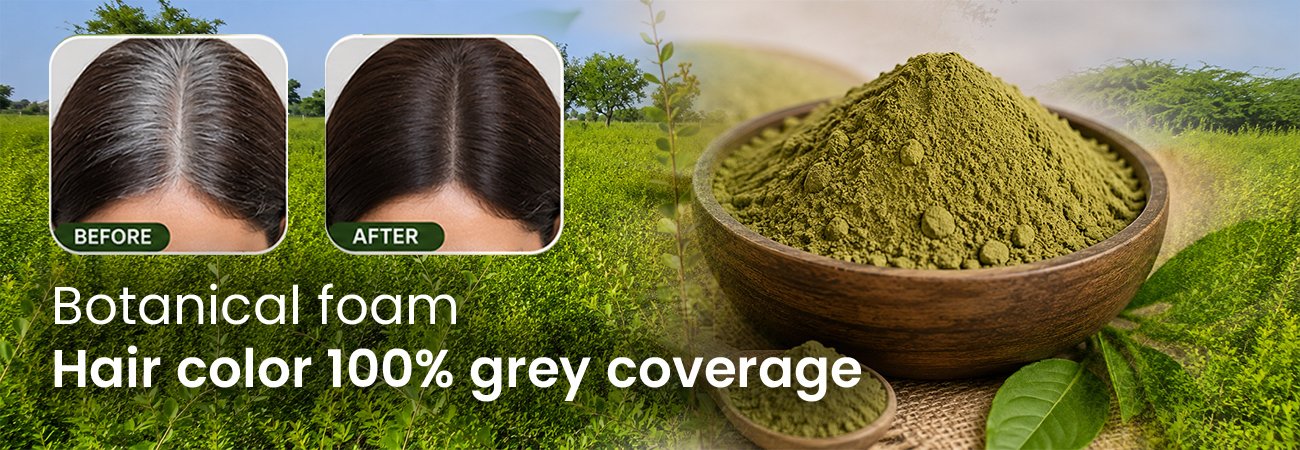
If you have ever stood in front of a salon shelf trying to choose between a dozen hair color boxes, you already know the dilemma. Most chemical dyes promise full grey coverage, but they come loaded with ammonia, PPD, and other irritants that damage hair over time. This is exactly why brands and distributors across the world are now searching for a reliable hair color manufacturer that can deliver both performance and safety, without compromising on either.
At Kirpal Export Overseas, we have spent years working closely with private label brands, salon chains, and wholesale importers who want one thing above everything else: a hair color that actually works on stubborn greys while staying gentle on the scalp. Our botanical foam hair color was developed with exactly this need in mind, and it has quickly become one of our most requested formulations among international buyers.
In this article, we will walk you through what makes botanical foam hair color different, why herbal henna hair color is gaining so much traction globally, and what private label brands should look for before partnering with a manufacturer.
For decades, the hair color industry relied almost entirely on synthetic chemical bases. They worked fast, they covered greys well, and they were cheap to produce at scale. But the side effects started catching up. Scalp irritation, allergic reactions, hair thinning, and long-term damage became common complaints, especially among customers who color their hair frequently.
Consumers today are far more ingredient-conscious than they were even five years ago. They read labels. They ask questions. And increasingly, they are willing to pay more for a product that respects both their hair and their health.
This shift has put real pressure on cosmetic brands to find a hair color manufacturer that can offer plant-based alternatives without sacrificing the performance customers expect. That is where botanical foam hair color comes in. It combines the ease of a foam applicator with the safety profile of herbal ingredients, giving brands a product that is genuinely easy to sell.
A lot of products in the market call themselves “natural” without much substance behind the claim. At Kirpal Export Overseas, our approach to formulation is built around three priorities: coverage, safety, and consistency.
The biggest concern brands raise with us is simple: will a botanical formula actually cover grey hair properly? It is a fair question, because many herbal products in the past struggled with patchy or uneven results.
Our botanical foam hair color is formulated to deliver full grey coverage by combining plant-derived pigments with a stable, skin-friendly base. The foam texture also helps the color distribute evenly across the scalp and hair strands, which reduces the patchiness that often comes with traditional henna pastes.
Unlike ammonia-based dyes, this formula is designed for customers who color their hair regularly, sometimes every few weeks. Repeated chemical exposure is one of the leading causes of scalp sensitivity, and it is a problem private label brands cannot afford to ignore if they want repeat customers.
The foam format itself is a practical advantage. It is mess-free, quick to apply, and doesn’t require the mixing rituals that come with traditional henna powder. For brands targeting busy professionals or salon chains looking for faster service times, this format alone can be a strong selling point.
Henna has been used for centuries across South Asia, and it remains one of the most trusted natural hair coloring ingredients available today. But raw henna alone has limitations. It tends to give reddish or coppery tones, it can be difficult to apply evenly, and it doesn’t always cover grey hair completely on its own.
This is why modern herbal henna hair color formulations combine henna with complementary botanical extracts. The result is a wider, more natural-looking color range while retaining the conditioning benefits henna is known for.
As a manufacturer based in Sojat, Rajasthan, often called the henna capital of the world, we have direct access to high-quality, naturally grown henna. This proximity to the source gives us tighter control over raw material quality, something that matters significantly when you are exporting to markets with strict cosmetic regulations like the UK, USA, UAE, Germany, and Australia.
Private label brands often ask us why henna-based formulations are worth the investment over purely synthetic alternatives. The answer lies in what henna does beyond just coloring hair.
Strengthens hair from the root. Henna coats the hair shaft, which can reduce breakage and add a noticeable thickness over time.
Soothes the scalp. Many customers with sensitive scalps find henna-based products far more comfortable than ammonia dyes, which can cause burning or itching.
Adds natural shine. Because henna doesn’t strip the hair’s natural oils the way harsh chemicals do, hair tends to look glossier after repeated use.
Reduces dandruff and scalp buildup. Henna has natural antimicrobial properties that can help keep the scalp cleaner between washes.
Improves over time with consistent use. Unlike chemical dyes that can weaken hair with every application, henna-based color tends to improve hair condition the more it’s used.
These benefits matter because they give brands a genuine story to tell their customers, not just a marketing angle. When a product actually performs the way it’s described, it builds trust, and trust is what drives repeat purchases.
If you are sourcing hair color products for your own brand, the manufacturer you choose affects far more than just product quality. It affects your compliance, your delivery timelines, and ultimately your reputation with customers.
A manufacturer should be able to clearly explain what’s in their formula and why. If a supplier is vague about ingredients or unwilling to share documentation, that’s a red flag, especially for markets with strict labeling laws.
Private label success often depends on being able to adjust shade ranges, packaging, and even texture to match your brand positioning. Look for a manufacturer who offers genuine OEM flexibility rather than a one-size-fits-all catalog.
Cosmetic regulations vary significantly between regions. A manufacturer experienced in exporting to the UK, USA, UAE, Germany, and Australia will already understand the documentation, testing, and labeling requirements those markets expect, which saves you considerable time and risk.
Natural ingredients can vary, which makes batch consistency a real technical challenge. Ask potential suppliers how they control quality across production runs, especially for henna-based products where raw material sourcing plays a big role.
At Kirpal Export Overseas, these are the exact questions we get from new buyers, and we have built our production process around answering them with proof, not just promises.
The global shift toward clean beauty isn’t a passing trend. Wholesale importers and salon chains are actively expanding their natural product lines because customer demand is pushing them in that direction. Botanical foam hair color sits right at the intersection of two things buyers want most right now: natural formulation and modern, convenient application.
For distributors of organic and natural beauty products, this combination makes the product easier to position against both traditional chemical dyes and old-fashioned henna pastes. It offers the performance customers expect with the ingredient story they are increasingly looking for.
Choosing the right hair color manufacturer is not just a sourcing decision, it’s a decision that shapes how your brand is perceived by the people who use your products every day. Botanical foam hair color with full grey coverage represents where the industry is heading: effective, plant-based, and genuinely safe for regular use.
At Kirpal Export Overseas, we have built our reputation on combining traditional herbal expertise with the kind of quality control and export experience that private label brands and wholesale buyers actually need. If you’re exploring herbal henna hair color or botanical foam formulations for your own product line, we’d be glad to share samples, documentation, and customization options to help you move forward with confidence.
Every henna powder supplier claims to sell the “purest” product on the market. Walk through…
Walk into any natural hair care store, or scroll through a beauty forum for five…
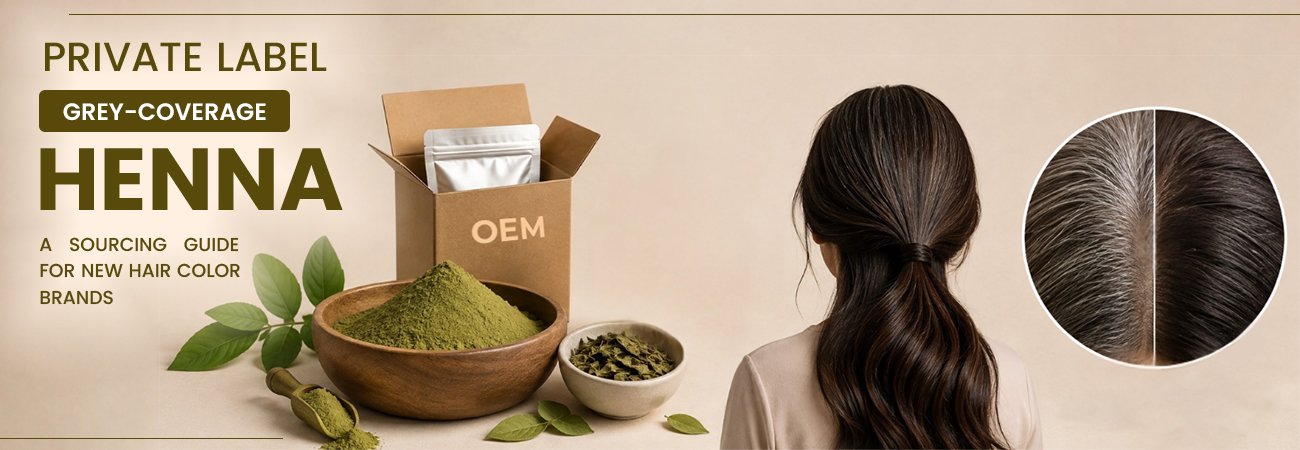
Launching a private label hair color line sounds simple on paper — pick a formula,…
If you’re a UK-based salon chain, hair color brand, or distributor trying to source henna…