Call/WhatsApp: +91-9811618013, +91-9810306077
Email: keohenna@gmail.com, kirpaloverseas@gmail.com
Email: keohenna@gmail.com, kirpaloverseas@gmail.com





If you’re a UK-based salon chain, hair color brand, or distributor trying to source henna powder, you’ve probably already noticed the problem: everyone online claims to sell “the best” henna, but almost nobody explains what that actually means for a buyer who has to deal with UK import rules, allergy-conscious customers, and consistent product quality across every shipment. This guide is written to close that gap — a straightforward look at what separates genuinely good wholesale henna powder from the rest, and what UK buyers specifically need to check before placing an order.
Henna sourcing looks different depending on where your customers are. In the UK, two things shape buying decisions more than almost anywhere else: allergy safety regulation and a customer base that’s become noticeably more ingredient-conscious over the past few years.
The UK, following its departure from the EU, still largely mirrors EU Cosmetic Regulation (EC) 1223/2009 through its own UK Cosmetic Products Regulation. Both frameworks restrict or ban PPD (para-phenylenediamine) in certain hair color contexts and require Cosmetic Product Safety Reports for anything sold as a cosmetic on UK shelves. If you’re importing henna hair color to sell — not just plain henna powder for personal use — your supplier needs to understand these requirements, not just claim general compliance.
On top of that, UK consumers researching hair dye allergies have become a genuinely large search audience. People who’ve had a bad reaction to a synthetic dye, or who are simply trying to avoid PPD after reading about it, are actively looking for henna as an alternative. That means the wholesale henna powder you choose to stock isn’t just a supply chain decision — it directly affects whether your brand earns trust with that audience or loses it after one bad batch.
“Best henna powder” gets thrown around loosely in marketing copy, so it’s worth breaking down into things you can actually verify before you buy.
Origin matters more than most buyers realize. The highest-regarded henna in the world comes from Sojat, Rajasthan — a town that holds a Geographical Indication (GI) tag specifically because its soil and climate produce henna leaves with a distinctly higher lawsonia content than henna grown elsewhere. Lawsonia is the compound responsible for henna’s staining ability and its conditioning effect on hair. Powder made from Sojat-grown leaf simply performs better — richer color payoff, smoother application, less product needed per use.
Particle fineness and sieving grade affect usability. Coarsely ground henna doesn’t dissolve evenly, clumps during mixing, and can leave gritty residue in hair that customers notice immediately. Good wholesale henna is sieved to a fine, consistent mesh grade — ask your supplier what mesh size they process to, and expect a clear answer, not a vague “very fine.”
Moisture content and packaging affect shelf life. Henna powder with excess moisture degrades faster, loses staining potency, and is more prone to mold during long shipping and storage periods — a real concern for anything crossing from India to the UK by sea freight. Properly dried henna, vacuum-sealed or moisture-barrier packaged, holds its quality far longer.
Batch consistency is what actually protects your brand. A single great sample means very little if the next container doesn’t match it. This is where working with an actual manufacturer, rather than a reseller, makes the biggest difference — a manufacturer controls the process closely enough to reproduce the same quality shipment after shipment.
This deserves its own section because it’s the single most common reason UK buyers get burned. Some suppliers, particularly when offering “black henna” or fast-darkening shades, quietly use PPD to speed up and deepen the color — a synthetic additive that has nothing to do with real henna and is linked to serious allergic reactions, in some documented cases requiring hospital treatment.
Any henna powder or henna-based hair color you’re bringing into the UK market should come with explicit written confirmation that it’s PPD-free, ideally backed by a lab test rather than just a label claim. If a supplier hesitates when you ask for this documentation, or the pricing on a dark henna shade seems unusually cheap and fast-acting, treat that as a warning sign rather than a bargain.
Not all henna sold as “pure” actually is. Some cheaper products blend in metallic salts or other additives to intensify or stabilize color, which can create real problems if a customer later applies a synthetic dye over that henna — the chemical reaction between metallic salts and synthetic dye ingredients can cause hair damage or unpredictable color results.
Genuinely natural, single-ingredient henna powder (or a herbal blend using known natural additives like amla, shikakai, or indigo, rather than undisclosed chemicals) is safer for your customers and safer for your brand’s reputation. Ask your supplier for a full ingredient breakdown, not just a “100% natural” claim on the packaging.
Since this guide is written from inside the henna export industry rather than as outside research, it’s worth being upfront about where our own business fits into everything covered above.
Kirpal Export Overseas (KEO) is a henna powder and herbal hair color manufacturer and exporter based directly in Sojat, Rajasthan — the GI-tagged region this guide keeps coming back to, not a trading office several states removed from where the henna is actually grown. Raw leaf sourcing, drying, grinding, and quality testing all happen close to the source, with batch-level testing rather than one-off sampling.
For UK buyers specifically, KEO’s henna and henna-based hair color formulations are produced PPD-free, with documentation available for buyers who need it for compliance or customer-facing transparency. KEO also handles the export side that tends to slow smaller manufacturers down — Certificates of Origin, phytosanitary documentation, and paperwork suited to UK import requirements — and supports private label and OEM formulation for brands that want their own packaging and branding rather than generic bulk powder.
If you’re building a wholesale supply chain for henna powder or henna-based hair color in the UK, it’s worth reaching out directly with your volume, formulation, and timeline requirements so you get a realistic quote rather than a generic price list.
It’s worth stepping back to look at why this category is growing in the UK at all. Synthetic hair dye relies on ammonia, peroxide, and often PPD to deliver fast, vivid results — and all three carry documented risks that a growing number of UK consumers are actively trying to avoid, whether due to a past allergic reaction, scalp sensitivity, or simply a preference for cleaner ingredient labels.
Quality henna hair color, especially when blended with conditioning botanicals like amla or bhringraj, delivers color without those same risks, and conditions hair with repeated use rather than gradually damaging it. For a UK brand or salon positioning itself around natural, allergy-conscious hair color, that’s a genuinely strong selling point — one synthetic dye brands simply can’t claim, no matter how they package the marketing.
Before committing to a wholesale henna supplier for the UK market, it helps to have a short checklist ready:
A supplier who answers these clearly and without hesitation is far more likely to be a manufacturer you can build a long-term relationship with, rather than a reseller passing along someone else’s quality control—or lack of it.
The “best” henna powder for wholesale buyers in the UK isn’t the one with the flashiest packaging or the lowest price per kilo — it’s the one backed by verifiable Sojat origin, batch-tested purity, PPD-free confirmation, and a manufacturer who can walk you through their own process without hesitation. Ask the direct questions above before you commit, and you’ll save yourself a much harder conversation with unhappy customers down the line.
Every henna powder supplier claims to sell the “purest” product on the market. Walk through…
Walk into any natural hair care store, or scroll through a beauty forum for five…
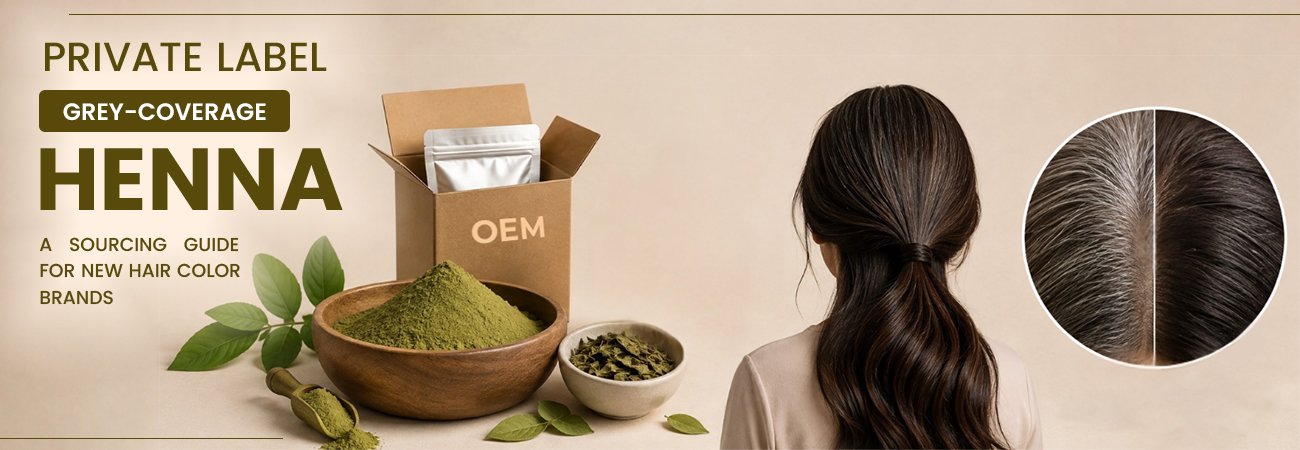
Launching a private label hair color line sounds simple on paper — pick a formula,…
Beauty trends move fast, and most of them disappear just as quickly. A new “miracle”…
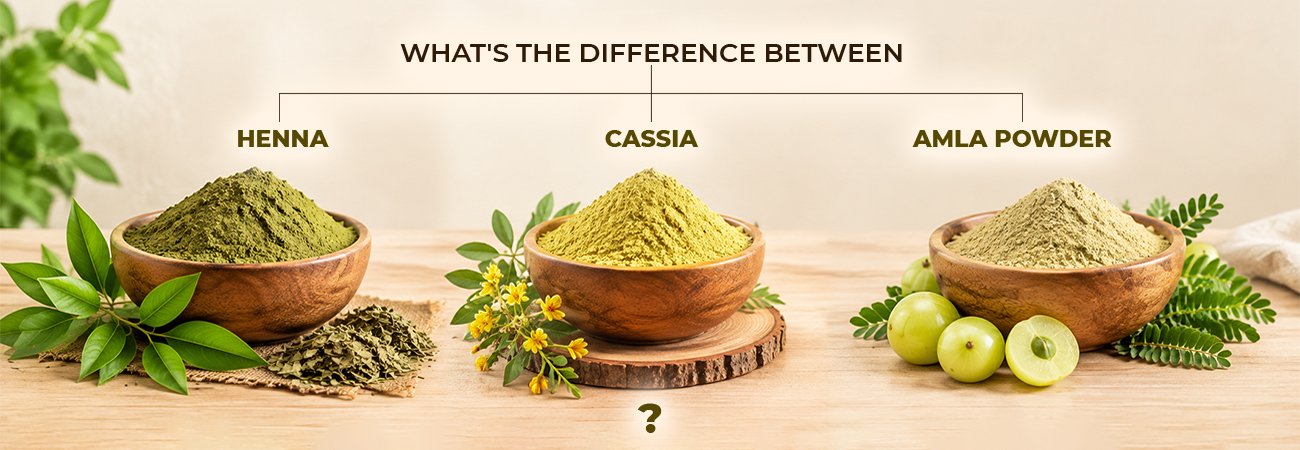
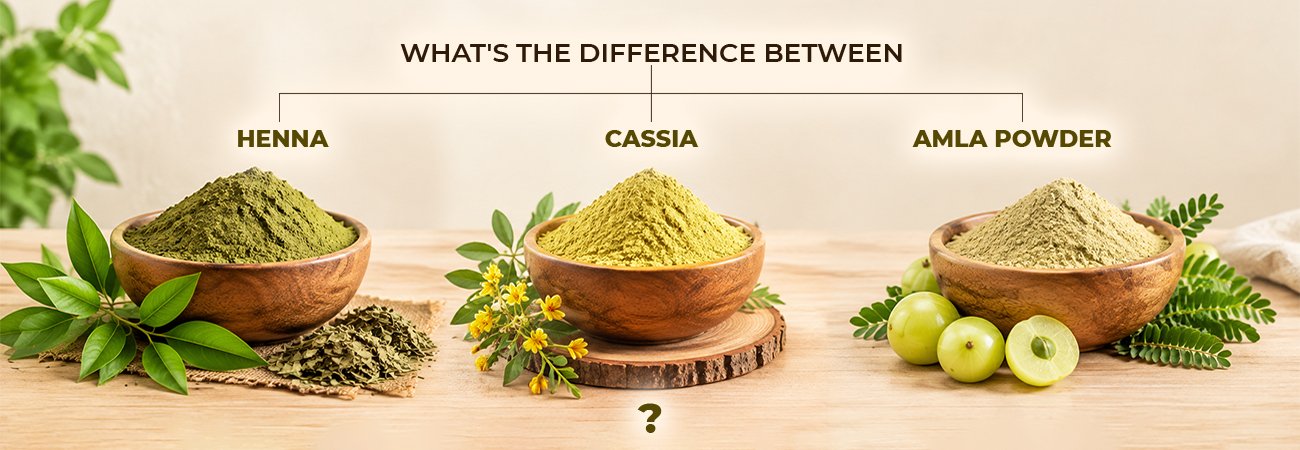
What's the Difference Between Henna, Cassia, and Amla Powder? – Kirpal Export
September 8, 2026[…] you’re evaluating henna powder manufacturers for a private label line, or you’re simply trying to source a cleaner, more consistent supply than what you’ve […]