Call/WhatsApp: +91-9811618013, +91-9810306077
Email: keohenna@gmail.com, kirpaloverseas@gmail.com
Email: keohenna@gmail.com, kirpaloverseas@gmail.com





Pregnancy changes almost everything a woman touches, eats, and applies on her skin and hair. Suddenly, that shampoo she has used for years feels risky. That hair color she loved before? She starts googling it at 2 AM. This is exactly why more expecting mothers, salons, and beauty brands are turning toward herbal alternatives and why so many are searching for trustworthy henna powder manufacturers in India who can supply genuinely safe, chemical-free hair color.
At Kirpal Export Overseas, we have spent years working directly with salons, private label brands, and wholesale importers who ask us one question again and again: is herbal hair color actually safe to use during pregnancy? The short answer is that pure, well-sourced henna and traditional Indian herbs are widely considered a gentler choice compared to ammonia-based synthetic dyes. But the full answer is a little more nuanced, and that’s what we want to unpack here.
This article is written for two kinds of readers. If you’re an expecting mother trying to make sense of conflicting advice online, you’ll find practical, honest guidance here. And if you’re a salon owner, distributor, or private label brand looking to source dependable herbal hair color for your pregnancy-conscious customers, you’ll get a clear picture of what actually makes a product safe, and how to choose the right supplier.
Hormonal changes during pregnancy don’t just affect mood and skin, they affect how sensitive the scalp becomes too. Many women report itchiness, dryness, or unusual reactions to products they used without issue before pregnancy.
At the same time, there’s growing awareness around the ingredients used in conventional hair dyes. Ammonia, para-phenylenediamine (PPD), resorcinol, and certain synthetic developers have all come under scrutiny, not necessarily because they’re proven harmful in every case, but because doctors generally recommend caution during pregnancy when the research is still limited or mixed.
This is where herbal alternatives step in. Products made from henna and other Indian herbs skip the harsh chemical cocktail entirely, relying instead on plant-based pigments and conditioning agents that have been used for centuries.
It’s worth saying clearly: “natural” doesn’t automatically mean “risk-free” for everyone. But when a product is genuinely pure, properly tested, and free from added chemical dyes or metallic salts, it tends to be a far gentler option for a body that’s already going through so much.
Not all henna is created equal, and this is something we tell every buyer who reaches out to us. Pure henna, harvested and processed the traditional way, is fundamentally different from the “henna” sold in some markets that’s been mixed with synthetic dyes, metallic salts, or PPD to intensify color or speed up processing.
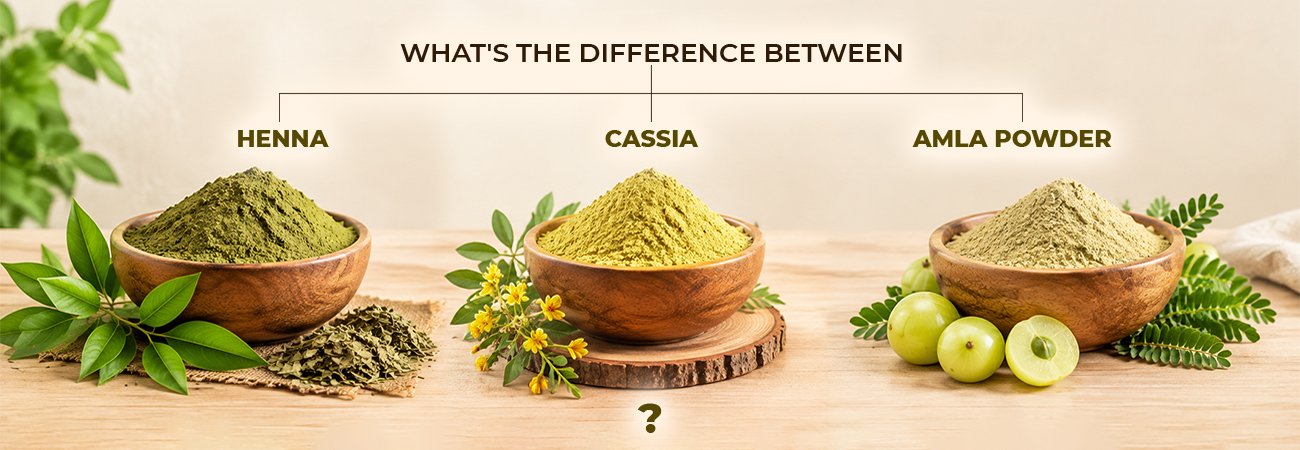
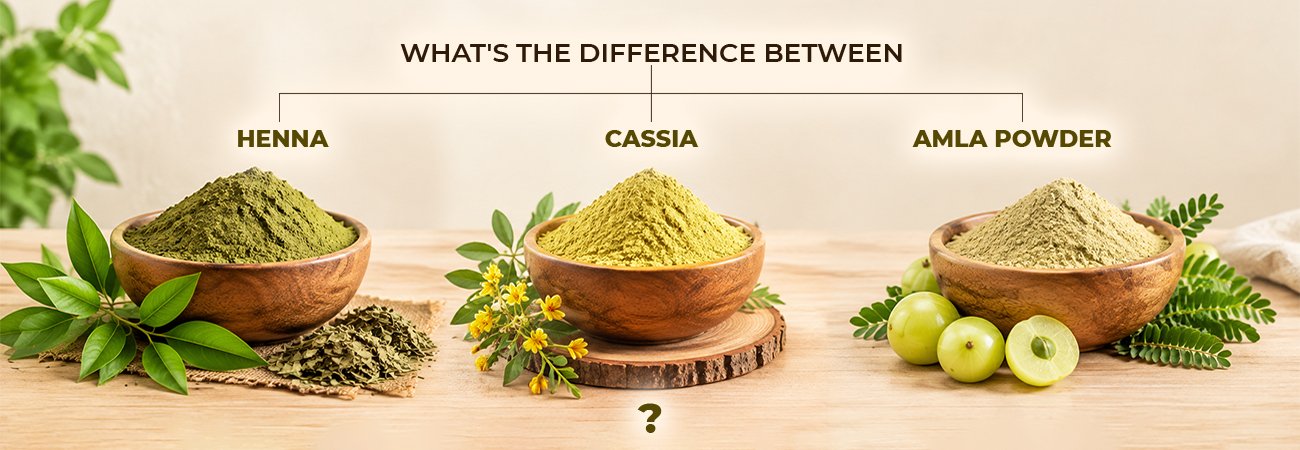
India has a centuries-old relationship with herbal hair care, and it shows in the variety of herbs still used today. Ingredients like amla (Indian gooseberry), bhringraj, shikakai, neem, and hibiscus are commonly blended with henna to create products that don’t just color hair but actively nourish it.
Amla is rich in vitamin C and antioxidants, and it’s often credited with strengthening hair from the root. Bhringraj has long been associated with reducing hair fall and supporting a calmer, less irritated scalp. Shikakai works almost like a natural cleanser, gently clearing buildup without stripping natural oils.
When these herbs are combined thoughtfully with pure henna, the result is a formula that colors hair while also caring for the scalp underneath, something synthetic dyes rarely manage to do at the same time.
Henna isn’t just a coloring agent. Its benefits go deeper than most people realize.
For someone who’s pregnant and dealing with a more reactive scalp, this gentler mechanism matters. There’s no ammonia opening up the hair cuticle, no strong fumes to inhale in a closed salon room, and no harsh developer sitting on the scalp for 30-40 minutes.
Doctors don’t universally say chemical hair dyes are dangerous during pregnancy. Most research suggests the amount absorbed through the scalp is fairly small. Still, many gynecologists recommend a cautious approach, especially avoiding hair color during the first trimester when the baby’s organs are still developing.
Here’s a simple way to look at the difference:
Chemical dyes typically involve ammonia to open the hair cuticle, PPD or similar compounds for pigment, and hydrogen peroxide as a developer. These ingredients work fast and deliver bold, long-lasting color, but they also come with strong fumes and a small but real risk of scalp irritation or allergic reaction.
Herbal alternatives made from pure henna and Indian herbs work more slowly and gently. Color develops through natural dye molecules like lawsone, without any need for ammonia or peroxide. The trade-off is that herbal color options are usually more limited to reddish, brown, or auburn tones, and the process takes longer to show full color.
For an expecting mother who’s already being careful about everything from skincare to food, that trade-off often feels worth it.
Not every product labeled “herbal” or “natural” on a shelf actually is. This is one of the biggest gaps we see in the market, and it’s part of why we’re so particular about how we manufacture at Kirpal Export Overseas.
When choosing a herbal hair color, here’s what to actually check:
Read the ingredient list, not just the front label. A genuinely herbal product should list henna and named herbs, not vague terms like “natural extracts” hiding synthetic additives.
Look for PPD-free and ammonia-free claims backed by lab testing. Reputable manufacturers can share Certificate of Analysis or lab reports on request.
Check for lawsone content. This is the natural compound in henna responsible for its coloring property. A transparent supplier will be upfront about lawsone percentage, since it indicates purity and strength.
Patch test first, always. Even with herbal products, everyone’s skin reacts differently, especially during pregnancy. A small patch test 24-48 hours before full application is simply good practice.
Talk to a doctor if there’s any doubt. This article is meant to inform, not replace medical advice. If someone has sensitive skin, known allergies, or a high-risk pregnancy, a quick check-in with their doctor before using any hair product, herbal or otherwise, is the safest move.
For salons, private label cosmetic brands, and wholesale importers, the conversation shifts from “is this safe for me” to “can I trust this supplier enough to put my brand name on it.” That’s a much bigger responsibility, and it’s exactly the space we work in.
India, and particularly the Sojat region of Rajasthan, has been the global center of henna cultivation and processing for generations. The soil and climate here produce henna leaves with naturally higher lawsone content, which is part of why buyers across the UK, USA, UAE, Germany, and Australia specifically look for henna powder manufacturers in India rather than sourcing elsewhere.
But origin alone isn’t enough. What separates a dependable manufacturer from a risky one comes down to a few things: consistent quality control batch after batch, proper testing for heavy metals and microbial contamination, compliance with international standards, and the ability to customize formulations, whether that’s private label blends, OEM packaging, or specific herb combinations for different markets.
We’ve built our reputation at Kirpal Export Overseas around exactly these principles. Operating under our Indalo brand, we manufacture and export pure henna powder and herbal hair color products that meet BIS (IS 11142) standards and international quality benchmarks.
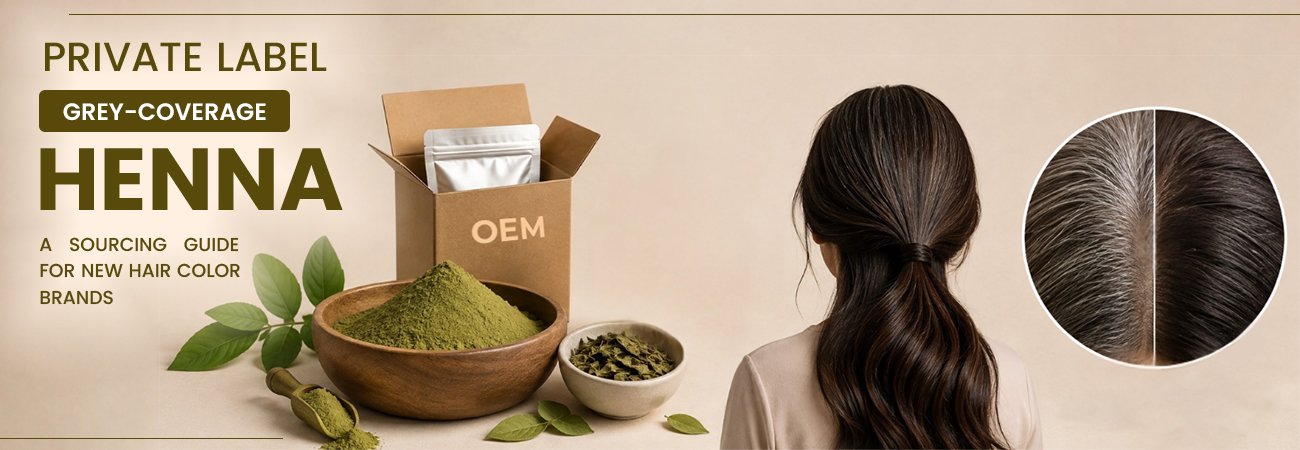
Our henna is sourced directly from Sojat, giving us close control over quality right from the farming stage through processing and packaging. We work with private label and OEM cosmetic manufacturers who need reliable, customizable formulations, wholesale importers and trading companies who need consistent bulk supply, professional salon chains looking for trusted herbal color lines, and organic beauty distributors who need products that genuinely live up to their “natural” claims.
Every batch we process is checked for purity, and we’re transparent with buyers about lawsone content, herb composition, and testing documentation. For a category where trust matters as much as the product itself, especially when it involves something as personal as pregnancy-safe hair care, that transparency isn’t optional. It’s the baseline.
If you’re a salon or brand looking to serve this growing, health-conscious customer segment, a few practical steps can make a real difference:
Train your stylists to recognize when a client is pregnant or asks about pregnancy-safe options, and have a herbal product line ready to offer instead of steering them away entirely.
Keep clear documentation of your herbal products’ ingredient lists and lab testing so staff can confidently answer client questions on the spot.
Offer a patch test as a standard part of the herbal color service, not just an optional add-on.
Source from a manufacturer who can provide consistent quality and proper certification, since one bad batch can undo years of client trust.
Consider expanding into scalp-nourishing herbal treatments alongside color services, since the same herbs that make hair color safer during pregnancy also support overall scalp health year-round.
So, are herbal hair products safe during pregnancy? For most women, pure henna and traditional Indian herbs offer a genuinely gentler alternative to chemical hair dyes, free from ammonia, PPD, and the harsh fumes that come with synthetic color. They nourish the scalp instead of just coloring the hair, and they carry a much lower risk profile overall. That said, every pregnancy is different, and a quick conversation with a doctor is always worth having before trying something new.
For salons, brands, and distributors, the opportunity here is real. Health-conscious consumers, and expecting mothers especially, are actively looking for products they can trust. The businesses that can offer that trust, backed by genuine quality and transparency, are the ones building lasting customer relationships.
At Kirpal Export Overseas, we’ve spent years perfecting pure, herbal hair color solutions as one of the established henna powder manufacturers in India, working with partners across the UK, USA, UAE, Germany, and Australia. If you’re looking for a reliable, quality-tested herbal hair color supplier for your brand or business, we’d be glad to talk.
1. Is henna completely safe to use during pregnancy?
Pure, natural henna without added chemicals is generally considered a safer alternative to chemical hair dyes during pregnancy. However, it’s always best to do a patch test and consult your doctor, especially if you have sensitive skin or a high-risk pregnancy.
2. Can I color my hair during the first trimester?
Many doctors recommend waiting until after the first trimester for any hair coloring, herbal or chemical, simply as a precaution during the period of early fetal development. Always check with your doctor first.
3. How is henna different from chemical hair dye?
Henna colors hair by depositing natural pigment (lawsone) on the hair shaft without opening the cuticle. Chemical dyes use ammonia and peroxide to lift the cuticle and deposit synthetic color, which is a more invasive process.
4. What ingredients should I avoid in “natural” hair color products?
Watch out for PPD (para-phenylenediamine), ammonia, resorcinol, and metallic salts, even in products marketed as herbal or natural. Always check the full ingredient list rather than relying on front-label claims.
5. Why does henna from India, especially Rajasthan, have a better reputation?
The soil and climate of regions like Sojat, Rajasthan produce henna leaves with naturally higher lawsone content, resulting in richer color and better quality. This is why many international buyers specifically seek henna powder manufacturers in India.
6. Can herbal hair color fully replace chemical dye for grey coverage?
Herbal hair color works well for tones like red, brown, and auburn, but achieving certain shades or full grey coverage may take multiple applications compared to chemical dyes. Many brands blend herbs to widen the shade range naturally.
7. Is it safe to use herbal hair color while breastfeeding?
Herbal, chemical-free hair color is generally considered a gentle option during breastfeeding as well, though the same advice applies: check ingredients carefully and consult your doctor if you’re unsure.
8. How can businesses verify a henna powder manufacturer is trustworthy?
Look for manufacturers who provide lab testing reports, disclose lawsone content, follow standards like BIS (IS 11142), and offer transparency about sourcing and processing. Established exporters with a track record in international markets are usually a safer bet for bulk or private label orders.
Disclaimer: This article is for informational purposes only and is not a substitute for professional medical advice. Pregnant or breastfeeding individuals should always consult their doctor before using any new hair care or cosmetic product.
Every henna powder supplier claims to sell the “purest” product on the market. Walk through…
Walk into any natural hair care store, or scroll through a beauty forum for five…
Launching a private label hair color line sounds simple on paper — pick a formula,…
If you’re a UK-based salon chain, hair color brand, or distributor trying to source henna…