Call/WhatsApp: +91-9811618013, +91-9810306077
Email: keohenna@gmail.com, kirpaloverseas@gmail.com
Email: keohenna@gmail.com, kirpaloverseas@gmail.com





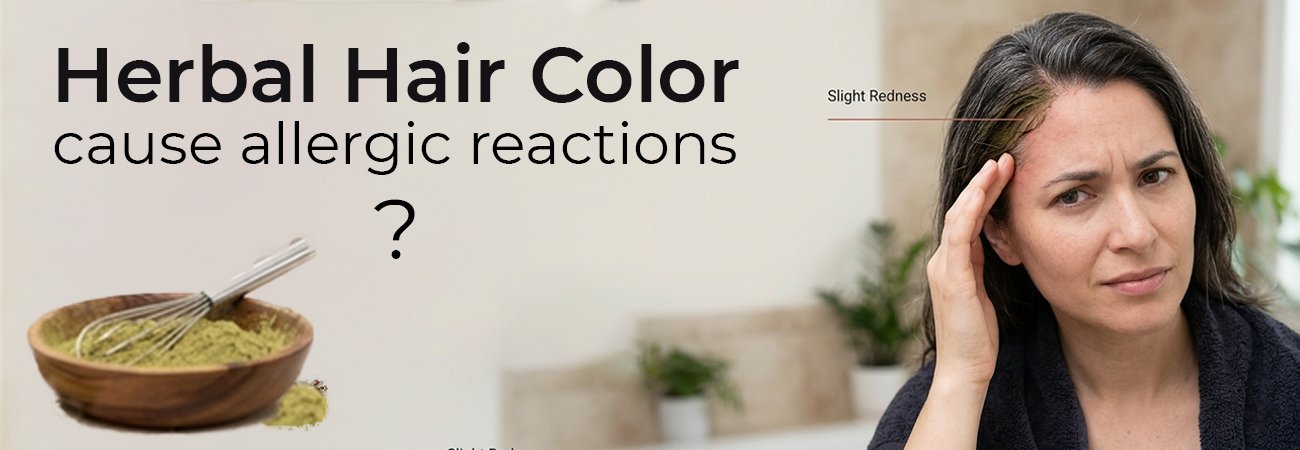
Let me tell you something that happened to my friend last year. She had been coloring her hair for almost eight years using a popular chemical hair dye brand. One evening she applied the color as usual, went to sleep, and woke up at 3 in the morning with her entire scalp on fire. Her forehead was swollen, her ears were red, and she could not stop scratching her head. She rushed to the doctor the next morning and the first thing he said was — stop using chemical hair color immediately. That one incident changed everything for her. She switched to herbal hair color and within three months, not only did her scalp heal completely, but she also noticed her hair fall had reduced dramatically and her hair felt thicker and softer than it had in years.
Now I am not saying this to scare you. I am saying this because this story is not unique. This happens to thousands of people every single day and most of them do not even connect their scalp problems to their hair color. They blame stress, water quality, diet, everything except the actual culprit sitting right there in their bathroom cabinet.
So today let us talk about this honestly and openly. Can herbal hair color cause allergic reactions or scalp irritation? And what is the real difference between herbal and chemical hair color? Let us get into it.
Walk into any salon or supermarket and you will find dozens of chemical hair color brands lined up beautifully with promises of shiny, vibrant, long-lasting color. The packaging looks attractive. The models in the advertisements have gorgeous hair. And the price seems reasonable. So you buy it, you use it, and for the first few times everything seems fine.
But here is what is happening inside your scalp that you cannot see.
Chemical hair dyes contain a very harsh ingredient called PPD, which stands for para-phenylenediamine. This is what gives chemical hair color its ability to penetrate deep into the hair shaft and create a strong, long-lasting color. But PPD is also one of the most common causes of contact dermatitis and severe allergic reactions in the world. The International Journal of Dermatology has classified PPD as a major allergen and yet it is still used in almost every commercial chemical hair dye available in the market.
Apart from PPD, chemical hair colors also contain ammonia, resorcinol, hydrogen peroxide, and a cocktail of synthetic fragrances and preservatives. Ammonia opens up the hair cuticle forcefully to allow the color to penetrate, which weakens the hair structure over time. Hydrogen peroxide bleaches the natural pigment in your hair before depositing artificial color. And resorcinol disrupts the natural oil balance of your scalp, making it dry, flaky, and prone to irritation.
Now here is the thing that most people do not realize. You may use chemical hair color for five years without any problem and then suddenly one day your body decides it has had enough. Allergic reactions to PPD can develop after years of exposure. By the time your body reacts, the damage to your hair follicles has already been building up silently for years. This is why so many people in their thirties and forties suddenly start experiencing massive hair fall and wonder what went wrong.
Herbal hair color works in a completely different way. Instead of forcing the color into your hair using harsh chemicals, herbal hair color works with your hair’s natural structure. The coloring agents in herbal hair color are derived from plants, and these plant-based molecules bond naturally with the keratin in your hair without breaking or damaging the hair cuticle.
The result is a natural, earthy color that looks beautiful without making your hair look artificially dyed. And more importantly, your scalp does not go through any trauma in the process.
When you apply a good quality herbal hair color, what you are essentially doing is giving your hair and scalp a deep herbal treatment. The herbs nourish your roots, stimulate blood circulation in the scalp, strengthen the hair shaft, and leave your hair feeling soft, thick, and healthy. This is the complete opposite of what chemical color does.
At Kirpal Export Overseas, we have spent years perfecting our herbal hair color formulations. As one of the most trusted herbal hair color manufacturers in India, we understand that people are not just looking for color anymore. They are looking for a product that is safe, effective, and actually good for their hair. And that is exactly what our products deliver.
Henna — The Ancient Secret That Modern Science is Finally Catching Up To
If you want to understand herbal hair color, you first need to understand henna. Henna is not just a plant. It is a thousand-year-old tradition that has been passed down through generations in India, North Africa, and the Middle East. Ancient Ayurvedic texts written over 5000 years ago describe henna as one of the most powerful herbs for scalp health and hair growth. And modern science is now confirming what our grandmothers already knew.
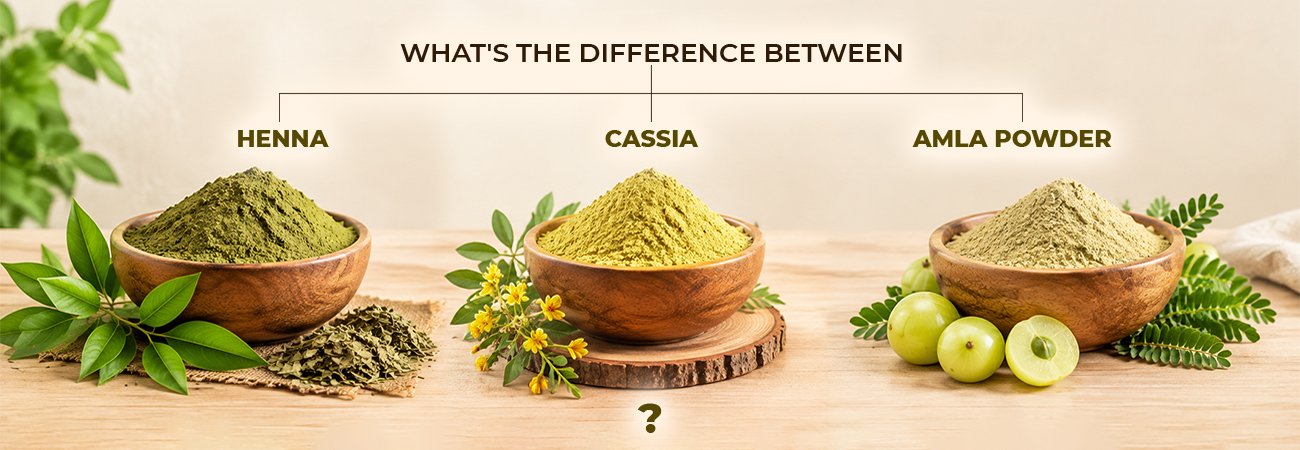
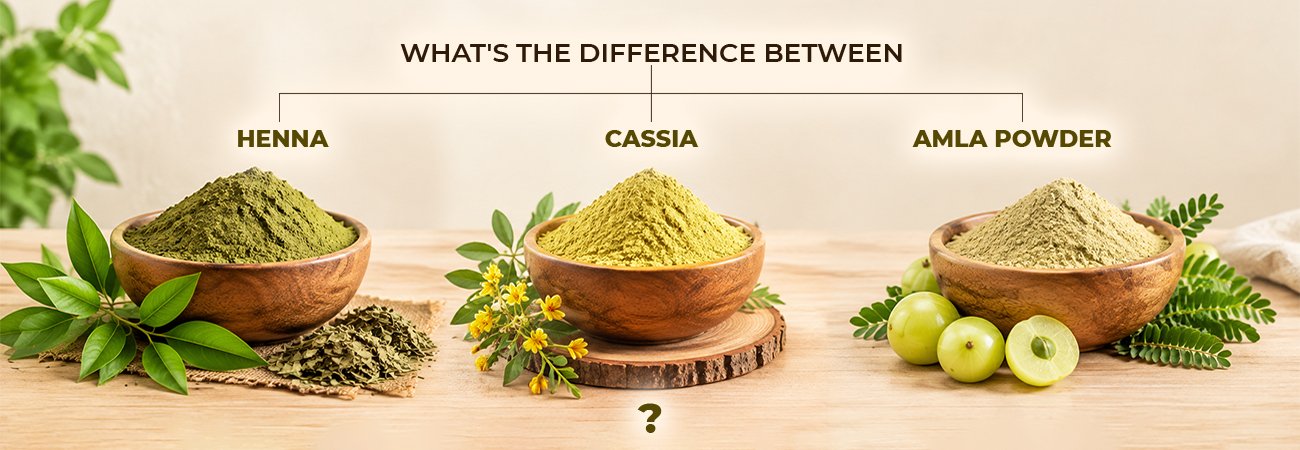
The active compound in henna is called lawsone. This molecule has a natural affinity for keratin, which is the protein that your hair is made of. When henna is applied to the hair, lawsone molecules bind to the keratin in each strand and create a protective coating around it. This coating does three things. First, it gives the hair its characteristic reddish-brown color. Second, it strengthens each strand and reduces breakage. Third, it seals the hair cuticle, making the hair smoother, shinier, and more manageable.
But the real magic of henna goes beyond just coloring. Henna has natural cooling properties that soothe an inflamed or irritated scalp. It has antifungal properties that help control dandruff. It has mild astringent properties that balance the oil production on the scalp. And it has been shown in multiple studies to promote hair growth by improving circulation at the scalp level.
As a leading henna powder manufacturer, Kirpal Export Overseas processes pure henna leaves with great care to preserve the natural lawsone content. Our henna powder is free from any artificial colors, chemical additives, or fillers. What you get is 100% pure henna in its most natural and potent form.
Henna is the foundation, but the real power of a good herbal hair color lies in the combination of Indian herbs that are blended with it. India has one of the richest traditions of herbal medicine in the world and many of the herbs used in Ayurveda for centuries are now recognized by modern researchers for their extraordinary hair care properties.
Let us talk about some of these herbs and what they actually do.
Amla, also known as Indian gooseberry, is probably the most powerful hair growth herb known to science. It is packed with Vitamin C and antioxidants that nourish the hair follicle and promote healthy hair growth. Amla also helps prevent premature greying, which is why it has been a staple of Indian hair care for generations. When amla is included in herbal hair color, it not only enhances the color but also actively works to strengthen your hair from the inside out.
Bhringraj is another herb that has been used in Ayurvedic medicine for centuries specifically for hair growth. It is sometimes called the king of herbs for hair. Bhringraj stimulates the hair follicles and promotes the growth of new hair. It also has a calming effect on the scalp and helps reduce inflammation, which is one of the main causes of hair fall.
Brahmi is famous for its ability to strengthen the roots of the hair. It nourishes the scalp and helps prevent hair thinning. People who have been using brahmi-based hair treatments for years often report a noticeable difference in the thickness and density of their hair.
Neem is nature’s most powerful antibacterial and antifungal agent. When neem is included in herbal hair color, it keeps the scalp clean, free from dandruff, and protected against bacterial and fungal infections that can cause hair loss.
Shikakai has been used as a natural shampoo in India for centuries. It gently cleanses the scalp and hair without stripping away the natural oils. It also strengthens the hair shaft and makes the hair more resistant to breakage.
Indigo is what gives herbal hair color its ability to achieve darker shades. When indigo is combined with henna, it can produce a range of colors from dark brown to jet black, all without any harsh chemicals. Indigo has been used as a natural dye for thousands of years and is completely safe for use on the scalp.
When all these herbs are carefully combined in the right proportions, the result is a herbal hair color that not only colors your hair beautifully but also transforms the health of your hair and scalp over time.
Why Herbal Hair Color is the Smart Choice for Long Term Hair Health
Think about it this way. Every time you color your hair with a chemical dye, you are making a short-term trade. You get a bright, shiny color today, but your hair and scalp pay a price that adds up over time. Every application weakens your hair a little more. Every exposure to PPD and ammonia stresses your scalp a little more. And one day you look in the mirror and wonder why your hair is so thin and lifeless compared to how it used to be.
Herbal hair color works the other way around. Every application is an investment in the long-term health of your hair. The herbs condition your scalp. The henna strengthens your strands. The natural coloring agents give you a beautiful, natural-looking color without any damage. And over time, instead of your hair getting weaker, it actually gets stronger.
This is not just a marketing claim. This is the lived experience of thousands of people who have made the switch from chemical to herbal hair color. And this is the philosophy that drives everything we do at Kirpal Export Overseas.
Herbal hair color is honestly suitable for almost everyone, but there are certain groups of people who stand to benefit the most from making the switch.
If you have sensitive skin or a sensitive scalp, herbal hair color is absolutely the right choice for you. People with eczema, psoriasis, or other skin conditions are often told by their dermatologists to avoid chemical hair dyes completely. Herbal hair color gives these individuals a safe and effective alternative.
If you are experiencing hair fall or thinning hair, the herbs in herbal hair color can actually help reverse this trend over time. The combination of bhringraj, amla, and brahmi works synergistically to nourish the hair follicles and promote new hair growth.
If you are pregnant or breastfeeding, you may have been advised to avoid chemical hair dyes due to the potential risks associated with chemical absorption. Herbal hair color provides a completely natural alternative that you can use without worry.
If you are someone who simply cares about what you put on your body and prefers natural, organic products in all areas of your life, herbal hair color is a natural extension of that philosophy.
And if you are someone who has been using chemical hair color for years and has never had a problem, I would still encourage you to consider making the switch. Because the damage that chemical dyes cause is often cumulative and invisible until it becomes very visible.
Kirpal Export Overseas is one of India’s most trusted names in herbal hair care manufacturing. As an established herbal hair color manufacturer, hair dye manufacturer, and henna powder manufacturer, we have built our reputation on one simple principle—quality that speaks for itself.
Every henna powder supplier claims to sell the “purest” product on the market. Walk through…
Walk into any natural hair care store, or scroll through a beauty forum for five…
Launching a private label hair color line sounds simple on paper — pick a formula,…
If you’re a UK-based salon chain, hair color brand, or distributor trying to source henna…