Call/WhatsApp: +91-9811618013, +91-9810306077
Email: keohenna@gmail.com, kirpaloverseas@gmail.com
Email: keohenna@gmail.com, kirpaloverseas@gmail.com





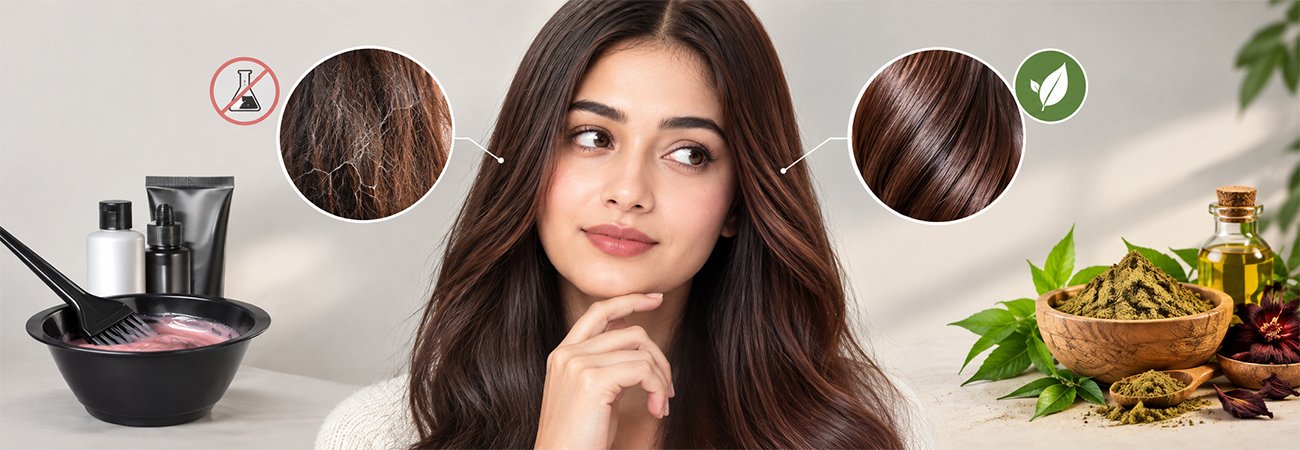
You know that moment. You’re standing in the bathroom with gloves on, a bowl of dye in your hand, and a small voice asks: Is this really okay for my hair?
It’s a fair question. Millions of people color their hair every month to cover greys, try a new look, or just because. Many of them notice the same things afterwards: hair that feels rougher, ends that look tired, a scalp that stings for a day. So more people are now asking whether they can get color without the harsh chemicals.
The short answer is yes to both. Hair color can cause damage, and there are natural ways to color hair. But neither answer is as simple as it sounds. We’ll go through it properly, including what natural color can’t do, and what to look for in natural hair color manufacturers if you’re sourcing for a salon or a brand.
Every strand of hair has an outer layer called the cuticle. Think of it as a set of overlapping roof tiles. Under it sits the cortex, where your natural pigment lives. To change your hair color in a lasting way, a dye has to get past the tiles and into the cortex.
Most permanent dyes manage this with two things. An alkaline agent, usually ammonia or a milder substitute like ethanolamine, pushes the cuticle open. Then hydrogen peroxide breaks down your natural pigment and helps the new color form inside the strand. Once the job is done, the cuticle is supposed to close again.
“Supposed to” is where the trouble starts.
Not all hair color works this way, though. Here’s the quick version:
Yes, it can. How much depends on what you use, how often you use it, and what your hair has already been through.
Here’s what damage usually looks like.
Dryness and rough texture.
When the cuticle is forced open again and again, it doesn’t always seal properly. Moisture escapes faster and hair starts to feel like straw.
Breakage and split ends.
Peroxide doesn’t just remove color. It also weakens some of the protein structure inside the hair. Strands lose elasticity and snap more easily, especially at the ends.
Dull, fast-fading color.
Damaged cuticles can’t hold on to pigment, so the color washes out sooner than it should.
Scalp irritation.
Many permanent dyes contain para-phenylenediamine, or PPD, a well-known cause of contact allergy. For some people that means mild itching. For others it means redness, swelling, and blisters. This is why a patch test 48 hours before every dye job matters, even if you’ve used the same box for years. Allergies can develop later.
Now, the fair part. Modern hair dyes are better than they used to be, and many include conditioning agents. Root touch-ups on healthy hair every six to eight weeks are a very different story from bleaching dark hair to blonde every month. Damage mostly builds up when people overlap color on already-colored lengths, lighten a lot, or pile heat styling on top.
So the honest answer isn’t “never color your hair.” It’s “know what you’re asking your hair to do.”
You can color hair without ammonia, peroxide and PPD, yes. People have used plants for this for thousands of years.
A quick reality check on the wording, though. “Chemical-free” is a bit of a marketing phrase. Water is a chemical, and so is lawsone, the pigment in henna. What people usually mean is no ammonia, no peroxide, no PPD and no synthetic dyes. That’s what plant-based color offers.
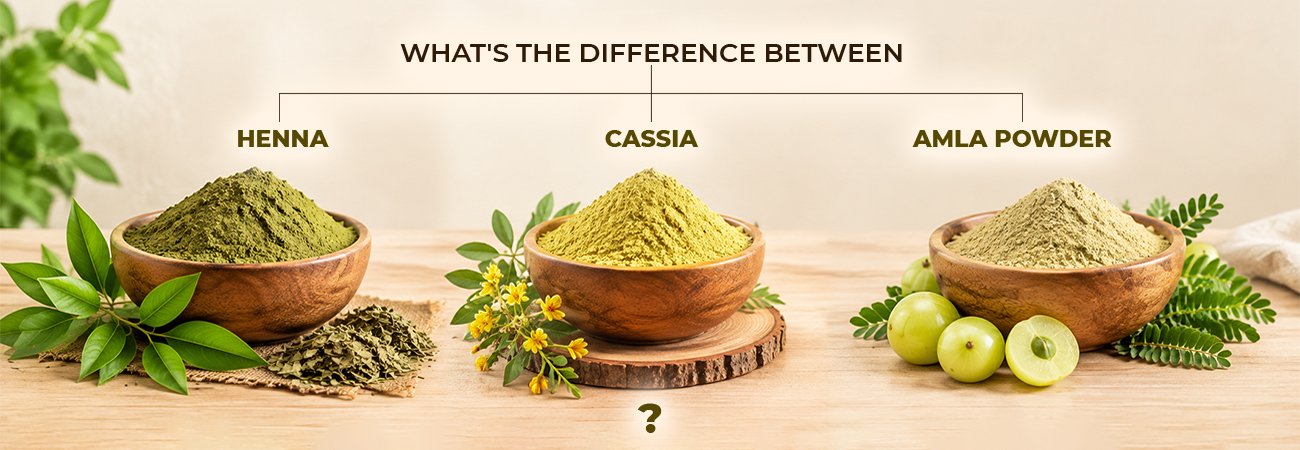
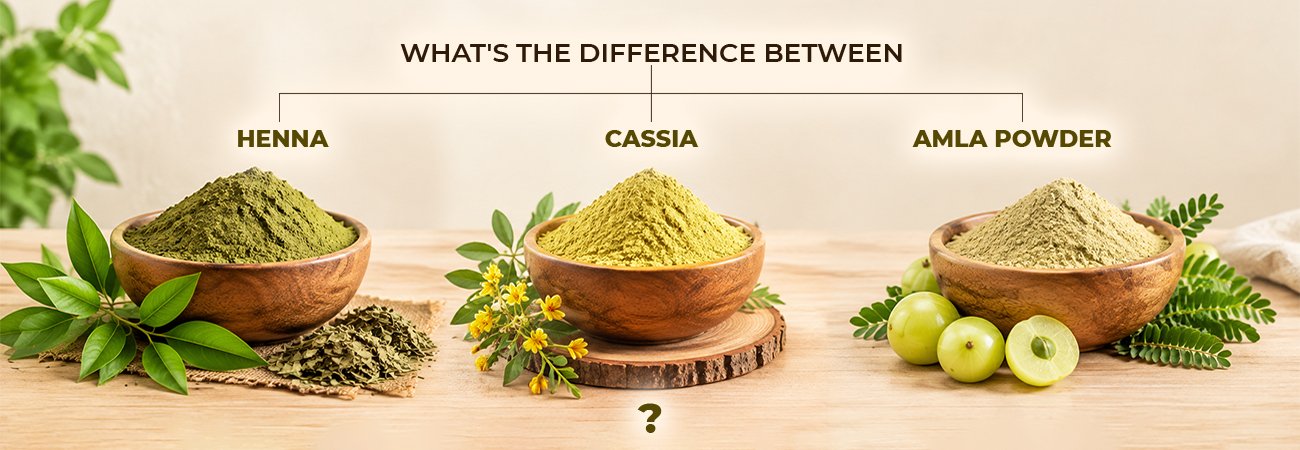
Henna comes from the dried, powdered leaves of Lawsonia inermis. Its pigment, lawsone, binds to the keratin in your hair instead of forcing its way into the cortex. The result is a coppery orange to reddish-brown, and it usually deepens over the first 48 hours as it oxidizes.
Two things are worth knowing. Henna doesn’t lighten your natural color, it stains over it. On dark hair you’ll mostly see a warm red glow in sunlight. On grey or white hair it can look bright orange at first. On the plus side, most people find henna leaves hair feeling thicker and shinier, because it coats the strand.
A good share of India’s henna is grown and processed around Sojat in Rajasthan, where the dry climate suits the crop. Even so, quality varies a lot from one harvest and one processor to the next. More on that shortly.
Indigo powder comes from Indigofera tinctoria. On its own it gives a bluish tint. Used with henna, it moves the color from red to brown to near-black. Most people apply henna first, rinse, then apply indigo. Some mix the two, though the result is usually harder to predict. Indigo paste loses its strength quickly once mixed, so it needs to go on the hair soon after preparing.
Cassia obovata doesn’t carry the red-orange dye that henna does. It conditions the hair and can add a light golden shine to lighter shades, but it won’t change dark hair much. It’s handy if you want gloss without a color shift.
These are usually blended in for conditioning and scalp care rather than for color. Amla, for example, is often mixed with henna and indigo to soften dryness and help tone the final shade. Think of them as the support acts.
Strong black tea or coffee can deepen dark brown hair a little. Beetroot gives a faint reddish tint. These are temporary and subtle. They won’t cover grey and they won’t survive more than a few washes. Fun to try, but not a real replacement.
This part often gets skipped, and it leads to disappointment, so let’s be straight about it.
This deserves its own section. Pure henna doesn’t give black hair in one go. If a product promises jet-black color in 20 minutes and calls itself “herbal” or “black henna”, read the ingredient list closely. Many of these products contain PPD or other synthetic dyes, and the reactions can be serious.
Another problem is “compound henna”, which may contain metallic salts. These can react badly with later chemical treatments.
Before you buy or use any product, check for these:
If you’d like to try it, here’s a practical way to start.
| Chemical dye | Plant-based color | |
|---|---|---|
| Color range | Very wide | Reds, browns, near-black |
| Can lighten hair | Yes, with a lightener | No |
| Main ingredients | Ammonia or substitute, peroxide, synthetic dyes | Ground leaves like henna, indigo, cassia |
| Application time | About 30 to 45 minutes | Two to four hours |
| Effect on hair feel | Can dry out hair | Often adds shine and body |
| Allergy risk | PPD is a common trigger | Lower, but not zero |
So far we’ve looked at this as a user. But maybe you’re on the other side of the counter. You own a salon, run a beauty brand or import hair care products, and customers keep asking for chemical-free options.
In that case you’re not really choosing a color. You’re choosing a supplier. And with plant-based products, the gap between a great batch and a bad one can be huge.
Here’s what separates dependable natural hair color manufacturers from the rest.
Traceable raw material. Henna leaves harvested at the right time and dried properly carry more dye content. A good manufacturer knows where the leaves came from and can tell you.
Careful processing. Drying, milling, and sifting decide how fine the powder is. Fine, well-sifted powder mixes into a smooth paste and rinses out clean. Coarse powder leaves grit behind and frustrates users.
Purity you can prove. No PPD, no metallic salts, no fillers. Reliable makers test for heavy metals, microbial contamination and pesticide residue.
Paperwork. A certificate of analysis for each batch, a safety data sheet and a clear ingredient declaration. If you have to chase these, that tells you something.
Consistency. The shade you approved in the sample should show up in the tenth shipment too.
A good herbal hair color manufacturer will also be upfront about limits, like what shade a product gives on grey hair versus dark hair, instead of overpromising.
If you’re importing into the UK, EU, USA, UAE, Germany or Australia, the supplier’s export experience matters as much as the product. A plant-based hair color exporter should be comfortable with the rules in your market. In the EU that means a cosmetic product safety assessment and notification through the CPNP portal. In the US it means keeping up with FDA cosmetic requirements, including those under MoCRA. They should also know packaging that survives sea freight and humidity, sensible shelf-life labelling, and the shipping documents your customs broker will ask for.
Always test a sample before committing to a bulk order. It saves money and awkward conversations later.
If your hair is healthy and you color it occasionally, modern chemical dyes used sensibly aren’t a disaster. If your hair is already dry or breaking, or your scalp reacts easily, plant-based color is worth a serious look, as long as you’re happy with red-to-brown shades and a slower process.
Either way, patch test, read the ingredient list, and don’t trust a label just because it says “natural.”
And if you’re on the business side, whether you’re picking a herbal hair color manufacturer or a plant-based hair color exporter, the right natural hair color manufacturers will welcome your questions, share their documents and send samples without fuss. That’s usually where a good partnership starts.
Does hair color damage hair permanently? Not necessarily. Damage is cumulative and mostly affects hair that has already grown, so new growth comes in unaffected. With longer gaps between sessions, less bleaching and regular conditioning, hair can recover its feel, though badly damaged ends often need a trim.
Can I color my hair without chemicals? Yes. Plant-based options like henna, indigo and cassia color hair without ammonia, peroxide or PPD. They give reds, browns and near-black shades, but they can’t lighten hair.
Is henna safe to use every month? Many people apply pure henna every four to six weeks for root touch-ups. If your hair starts feeling dry, space the sessions out and add oil or a deep conditioner. Always patch test first.
Can plant-based hair color cover grey hair? Yes, but grey hair usually turns orange or red with henna at first. Coverage deepens over a few applications, and using indigo after henna gives brown or black tones.
What should I look for in natural hair color manufacturers? Look for traceable sourcing, a clear ingredient list with no PPD or metallic salts, batch-wise test reports, consistent shades and flexible private label options. A reliable herbal hair color manufacturer will share these documents without being chased.
What documents does a plant based hair color exporter usually provide? Typically a certificate of analysis, a safety data sheet, an ingredient list and market-specific compliance details, such as EU safety assessment and CPNP notification. Requirements vary by country, so confirm them with the supplier and your customs broker.
Ask ten different brow technicians what “natural-looking” tint means, and you’ll get ten slightly different…
Every henna powder supplier claims to sell the “purest” product on the market. Walk through…
Walk into any natural hair care store, or scroll through a beauty forum for five…
Launching a private label hair color line sounds simple on paper — pick a formula,…