Call/WhatsApp: +91-9811618013, +91-9810306077
Email: keohenna@gmail.com, kirpaloverseas@gmail.com
Email: keohenna@gmail.com, kirpaloverseas@gmail.com




A Deep-Dive Into the Benefits, the Science, and the Shift Happening Across Australia Right Now
The Beauty Switch Australia Did Not See Coming
Something is changing in the way Australians think about hair color. Walk into any low-tox Facebook group, scroll through any Australian wellness community on Instagram, or just talk to women at your local farmers market, and you will hear the same thing coming up again and again. People are done with chemical hair dye. They are moving toward natural henna hair color, and they are not looking back.
This is not a fringe movement anymore. Natural and chemical-free hair dye is one of the fastest-growing searches in the Australian beauty space right now. And at the center of that conversation is henna, a plant-based hair color that has been trusted across Asia, the Middle East, and North Africa for thousands of years, and is now finding its audience in a new generation of health-conscious Australians.
If you have been curious about making the switch, this article is your complete guide. We are going to cover everything, from what henna actually is, to why it is so much better for your hair, scalp, and the planet, to how to use it, and what to realistically expect.
What Is Natural Henna Hair Color and Where Does It Come From
The Plant Behind the Color
Natural henna comes from a plant called Lawsonia inermis, a flowering shrub that grows in warm, dry climates across South Asia, the Middle East, and parts of Africa. The leaves of this plant are dried and ground into a fine powder. That powder, when mixed with a mildly acidic liquid like lemon juice, water, or herbal tea, releases a natural dye molecule called lawsone.
Lawsone binds to the keratin protein in your hair. It wraps around the outside of each hair strand and deposits a warm, rich color without penetrating or damaging the shaft from the inside. That is the key difference between henna and every chemical dye on the shelf at your local chemist.
The Difference Between Pure Henna and Fake Henna
This is a point worth spending time on because the market is full of confusion. Many products are labeled as henna or henna-based but contain synthetic additives, metallic salts, or even a chemical called paraphenylenediamine, commonly known as PPD, especially in products marketed as black henna.
True, pure henna is always reddish-orange in its natural form. If a product claims to give you jet black or light blonde results without any other botanical additions, it is not pure henna. When buying henna for hair, always look for a product where the only ingredient listed is Lawsonia inermis. That single botanical name on the label is your green flag.
The Major Advantages of Natural Henna Hair Color
It Strengthens and Conditions Your Hair at the Same Time
One of the most surprising things first-time henna users discover is that their hair actually gets better with each application. Unlike chemical dyes that weaken the hair cuticle over time, henna adds a natural protein-rich coating to every strand. This makes the hair feel thicker, stronger against breakage, and noticeably shinier.
For Australians dealing with heat damage, sun exposure, and dry climate conditions, this conditioning effect is especially valuable. Your hair gets color and a deep treatment in a single step. Many women report that after switching to henna, they need far less conditioner and their hair holds styles better because of the added body and texture.
It Is Completely Free From Harmful Chemicals
Conventional hair dyes contain a long and concerning list of ingredients. Ammonia, hydrogen peroxide, resorcinol, paraphenylenediamine, and various synthetic fragrances are among the most common. These chemicals are what open up the hair cuticle to deposit artificial pigment, and they do not do so gently.
Beyond the damage to hair, there is a growing body of research raising concerns about the scalp absorbing these chemicals into the bloodstream during regular dye applications. For people who color their hair every four to six weeks over many years, that is a significant and repeated exposure.
Pure henna contains none of these compounds. It is a plant leaf in powdered form. Nothing added, nothing synthetic, nothing your body needs to process or filter out. For Australians following a low-tox lifestyle or those with health conditions that make them cautious about chemical exposure, this is one of the most compelling reasons to make the switch.
It Is a Lifeline for Sensitive Scalps
Scalp sensitivity is more common than most people realize. Itching, burning, redness, and flaking after a dye application are not unusual, and for some people, they are severe enough that they have stopped coloring their hair entirely.
Henna is one of the few hair color options that is genuinely tolerable for sensitive scalps. Because it coats the hair from the outside rather than chemically altering it from within, there is no harsh reaction at the scalp. People who thought their days of enjoying hair color were over are rediscovering it is possible again through henna.
It Covers Gray Hair Beautifully
Gray coverage is one of the top reasons people dye their hair, and it is one of the areas where henna genuinely excels. Gray and white hairs are more porous than pigmented hair, which means they absorb the lawsone molecule from henna very deeply and hold the color exceptionally well.
The result on gray hair is typically a warm, rich auburn or copper tone that looks vibrant and alive rather than flat. Because gray hairs pick up the color slightly differently than the rest of your hair, you often end up with a natural, dimensional look that actually mimics what professional color-blending techniques aim to achieve, without any artificial pigment.
The Color Lasts and Fades Gracefully
One of the frustrations with conventional hair dye is how it fades. The color tends to become brassy, patchy, or washed out between applications, and the line between fresh growth and dyed hair becomes increasingly visible.
Henna fades slowly and gracefully. Because the color bonds to the keratin in your hair rather than sitting inside the shaft with artificial pigment, it does not wash out in the same sharp way. As your hair grows and the henna gradually lightens over weeks and months, the transition is subtle and natural-looking. Many people find they can go longer between applications without feeling like their hair looks neglected.
It Is One of the Most Sustainable Hair Color Options Available
The shift toward sustainable beauty in Australia is significant and growing. Consumers are asking more questions about where their products come from, what happens to them during use, and what goes down the drain when they rinse out.
Henna is a plant. It is biodegradable, it is typically sold in minimal packaging, and when you rinse it out of your hair, you are not sending synthetic chemicals into waterways. The carbon footprint of henna production is also considerably lower than that of conventional dye manufacturing. If your beauty routine is one of the areas where you are trying to reduce your environmental impact, natural henna hair color is one of the most straightforward switches you can make.
How to Use Natural Henna Hair Color at Home
What You Need to Get Started
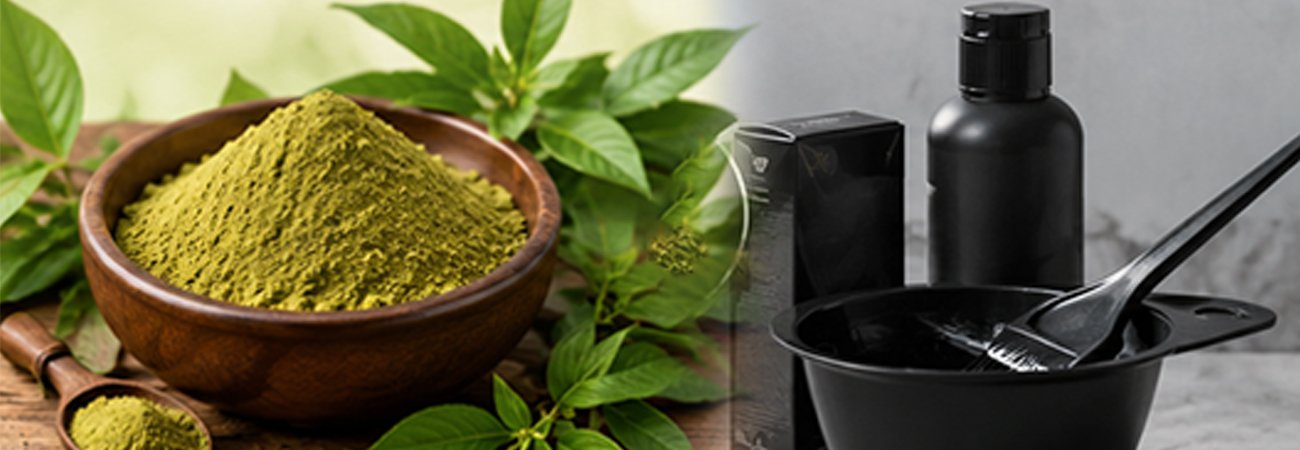
Getting started with henna at home is simpler than most people expect. You need pure henna powder, a mixing bowl, an applicator brush or gloves, something acidic to mix with such as lemon juice or apple cider vinegar, and some old towels or a dark shirt you do not mind staining. Henna stains fabric and skin, so protection is important.
The Basic Process Step by Step
Start by mixing your henna powder with enough lemon juice or warm water to create a thick, smooth paste roughly the consistency of yogurt. Cover the bowl and let it sit for at least two to four hours, or overnight if possible. This resting period is called dye release, and it allows the lawsone molecule to become fully active.
Apply the paste generously to your hair in sections, making sure every strand is well coated from root to tip. Wrap your hair in plastic wrap or a shower cap to keep the paste moist, and apply gentle heat if you have a hooded dryer or even just a warm room. Leave it on for one to three hours, depending on how deep you want the color. Rinse thoroughly with water, no shampoo for the first twenty-four hours, and allow the color to oxidize over the next two to three days as it deepens and settles.
How to Expand Your Color Range With Botanicals
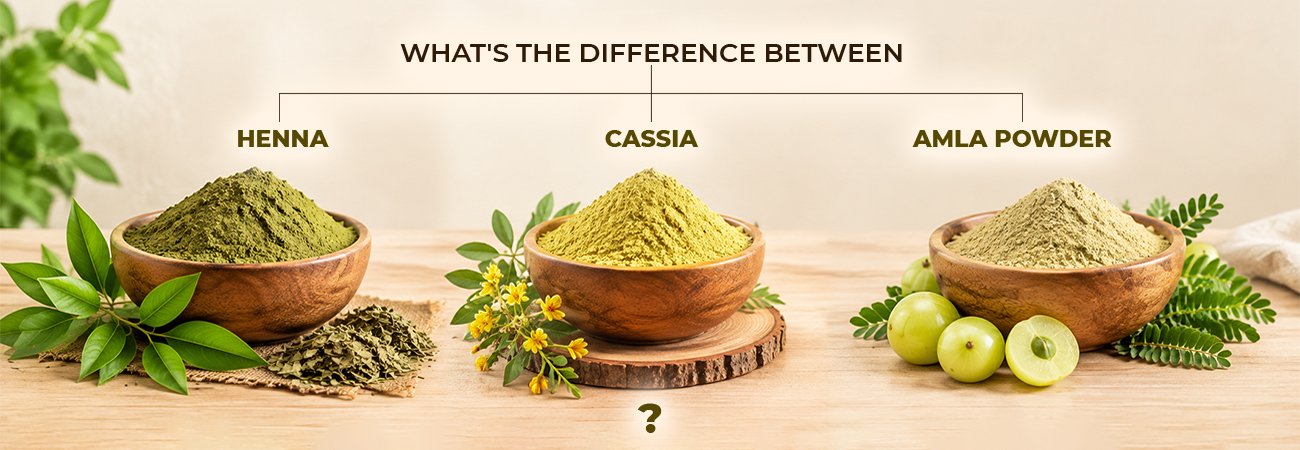
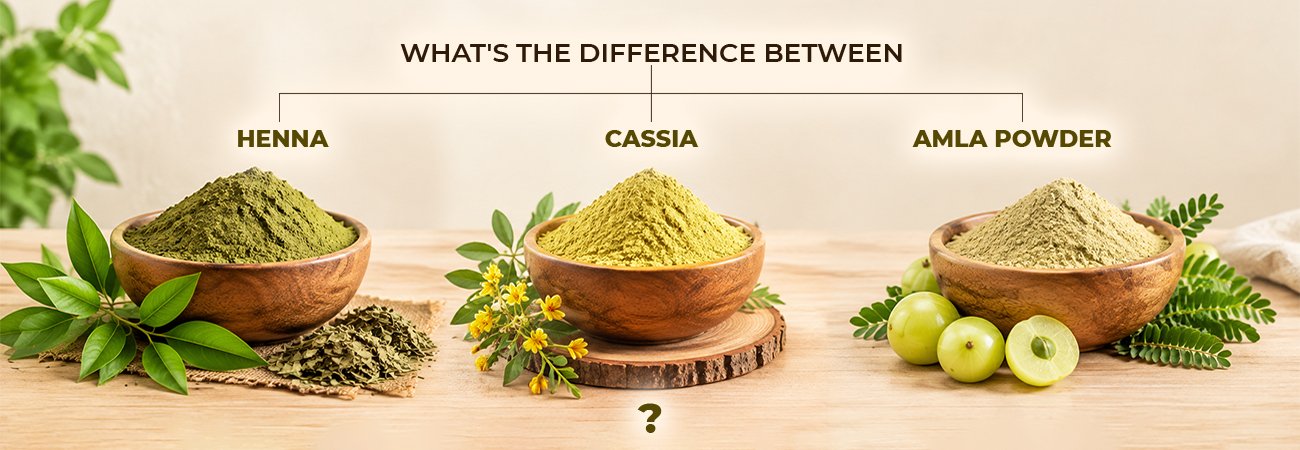
If a rich auburn is not quite what you are looking for, you can expand your color options by combining henna with other natural botanical powders. Adding indigo to your henna mixture can take you into deeper brown and even near-black territory. Cassia, which is sometimes called neutral henna, adds shine and conditioning without significant color change and is ideal for very light or blonde hair. Amla powder can help deepen and darken the overall tone. Many experienced henna users develop their own custom blends over time to dial in exactly the shade they want.
Common Questions Australians Ask About Henna
Will Henna Work on Previously Chemically Dyed Hair
Yes, henna can be applied over previously dyed hair. However, the color result may be less predictable because the chemical dye already on your hair will interact with the henna. It is best to do a small strand test first to see how the color develops before committing to a full application.
Can You Go Back to Chemical Dye After Using Henna
This is an important question and one that deserves an honest answer. Pure henna and certain chemical dyes, particularly those containing metallic compounds, do not interact well. If you apply a chemical dye over henna-treated hair, there is a risk of unpredictable color results or in some cases heat damage. Many colorists recommend waiting until henna-treated hair has fully grown out before returning to chemical color. Going into henna with the mindset that you are making a longer-term switch is genuinely the wisest approach.
How Often Should You Apply Henna
Most people find that applying henna every four to eight weeks is a comfortable rhythm, depending on how fast their hair grows and how much gray coverage they need. Because henna does not damage your hair, there is no harm in applying it more frequently if you choose. Some people do monthly applications, while others stretch to every two or three months and simply enjoy the gradual fade in between.
Why This Trend Is Growing, Specifically in Australia
Australia has a particularly strong culture of outdoor living, health consciousness, and environmental awareness. Australian consumers have been early adopters of clean beauty, organic food, and sustainable lifestyle choices across many categories. It makes sense that natural henna hair color is finding such strong traction here.
The intense Australian sun is also a factor. UV exposure accelerates the fading of chemical hair dye and increases hair damage over time. Henna-treated hair, with its coating of natural compounds, actually holds up better in strong sunlight and is more resistant to the dryness and brittleness that comes from regular UV exposure.
Social media communities focused on low-tox living, natural parenting, and sustainable beauty in Australia have been sharing henna results and tutorials at a rapidly increasing rate over the past two years. Word of mouth is powerful, and when people can see genuine before-and-after results from real Australians with similar hair types and concerns, the barrier to trying it drops significantly.
Is Natural Henna Hair Color Right for You
Natural henna hair color is not a trend that will fade with the season. It is a return to something that has worked for millennia, rediscovered by a generation asking better questions about what they put on and in their bodies.
If you are someone who cares about the health of your hair, the sensitivity of your scalp, the ingredients going into your body, or the impact of your choices on the environment, henna deserves serious consideration. The results are beautiful, the process is accessible, and the shift it creates in how your hair feels and behaves over time is genuinely remarkable.
Australia is leading this conversation in the Southern Hemisphere right now, and there has never been a better time to explore what natural henna hair color can do for you.
Every henna powder supplier claims to sell the “purest” product on the market. Walk through…
Walk into any natural hair care store, or scroll through a beauty forum for five…
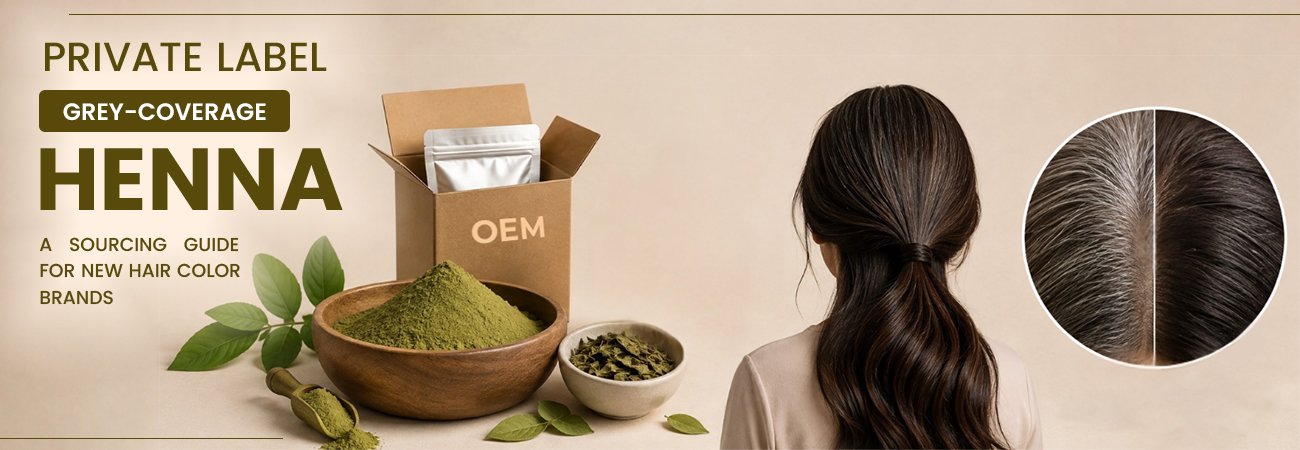
Launching a private label hair color line sounds simple on paper — pick a formula,…
If you’re a UK-based salon chain, hair color brand, or distributor trying to source henna…